
How to Specify Theatre Seating: Sightlines, Acoustics and Comfort
How to Specify Theatre Seating: Sightlines, Acoustics and Comfort
In a theatre, the audience does not simply occupy the room — the audience is the room. The scale and proportion of the seats, the rhythm of the rows and the texture of the upholstery define the visual character of the auditorium, while layout and density shape the intimacy between performer and spectator. Theatre seating is therefore never a furnishing decision made late in a project: it influences sightlines, circulation, acoustics and atmosphere from the first section drawing.
At Acoustic Design, we approach theatre seating as an integral element of the architecture — one that must serve the design intent of the venue, the comfort of a three-hour performance and the acoustic behaviour of the hall in equal measure. This guide sets out the criteria we apply.
Explore the full guide below, and for more expert insights, subscribe to our LinkedIn newsletter or contact us to discuss your project.

1. Seating and the Atmosphere of the House
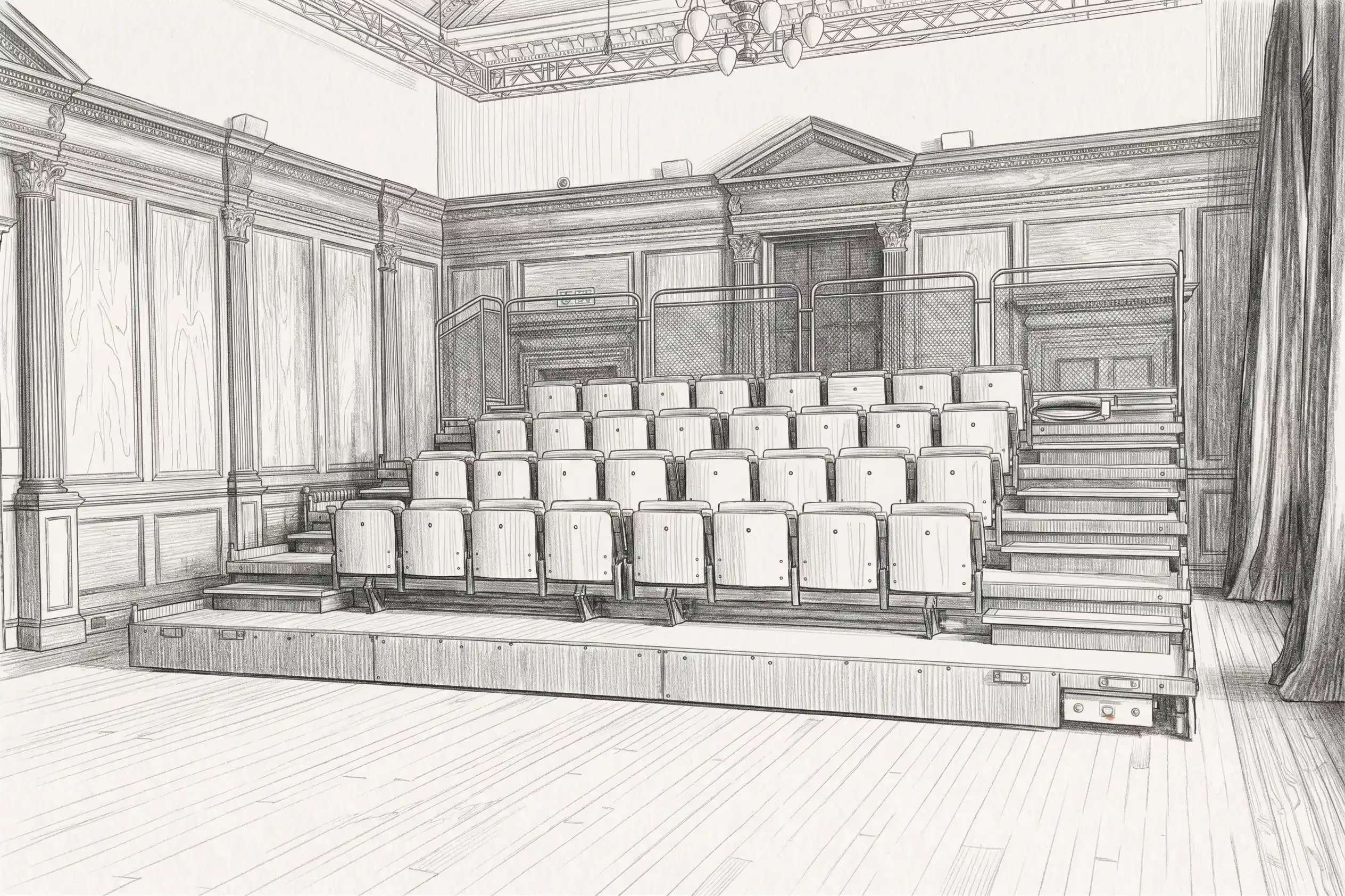
Every celebrated theatre owes part of its character to its seats. Seat scale, backrest height, armrest profile and upholstery palette establish whether a house reads as intimate and warm or formal and grand — and because the seating plane is the largest continuous surface the audience sees, these choices carry as much visual weight as the proscenium itself. In refurbishment projects, seating can respect the heritage character of a listed auditorium while quietly upgrading comfort, safety and accessibility to contemporary expectations. The theatre seating we specify is selected to support the intended mood of the space without competing with the stage.
2. Sightlines, Rake and Row Geometry
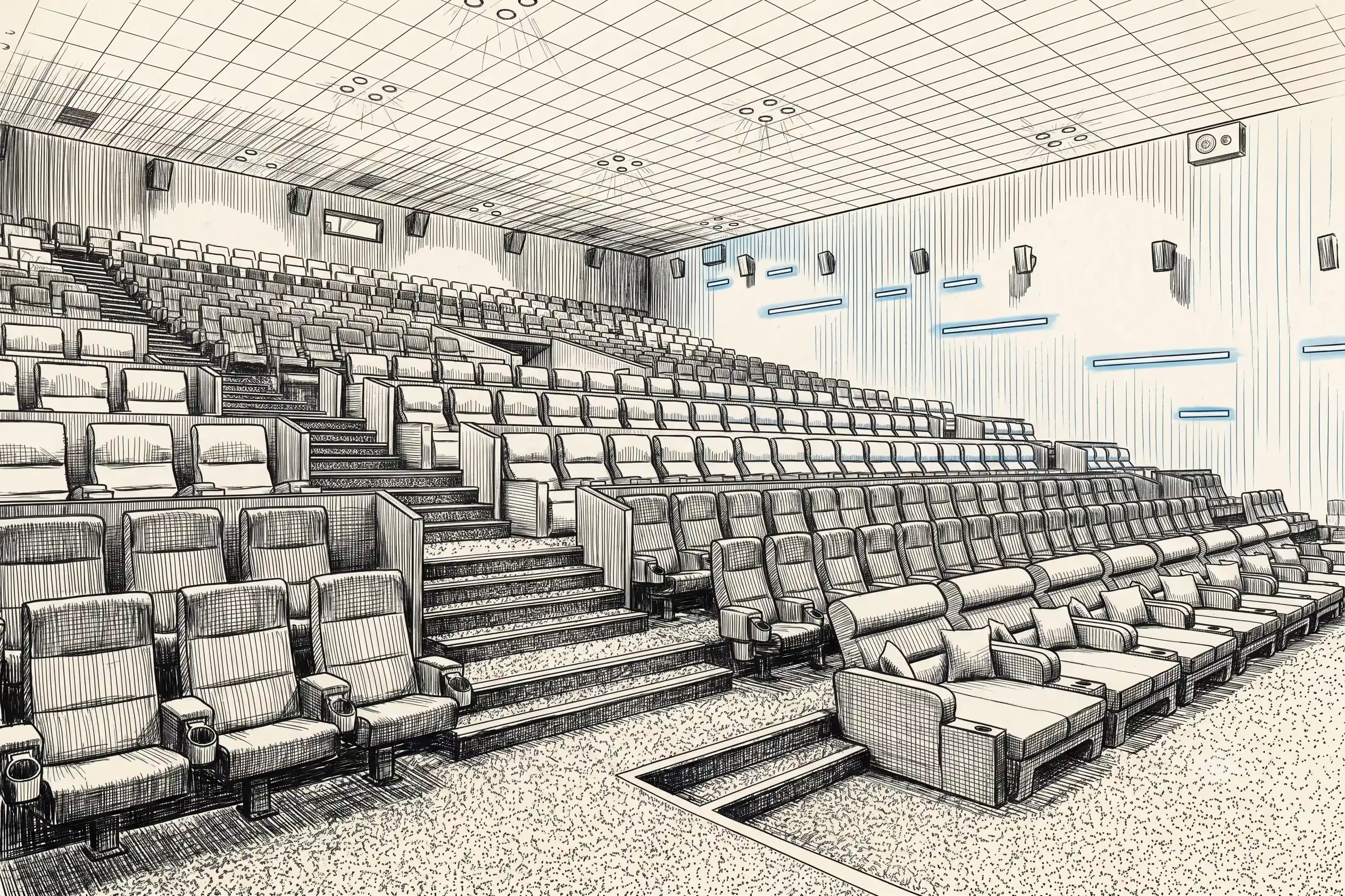
Seat geometry, row spacing and rake together define the isoptics of the house — how clearly every spectator sees the stage. Key parameters:
- Back-to-back row spacing: typically 900–1,100 mm in traditional houses; tighter spacings demand careful seat selection with compact tip-up envelopes.
- C-value (sightline clearance): a design target of 60–120 mm between sightlines of successive rows; higher values give clearer views but steepen the rake.
- Seat width: 500–560 mm centres are common in heritage houses; contemporary venues trend wider for comfort.
- Egress: seatway clearances, row lengths and aisle widths must satisfy the venue's escape strategy, with tip-up seats auto-parking to keep rows clear.
Capacity and comfort pull against each other in every theatre; resolving them is a layout exercise, not a seat catalogue exercise. For the broader room-design picture, see our Auditorium Design guide.
3. The Acoustic Role of Theatre Seating
Nowhere does seating matter more acoustically than in venues for unamplified voice and music. The audience and their seats form the dominant absorbing surface in the room, and the difference between a full and an empty house can shift reverberation time dramatically — unless the seating is specified to compensate.
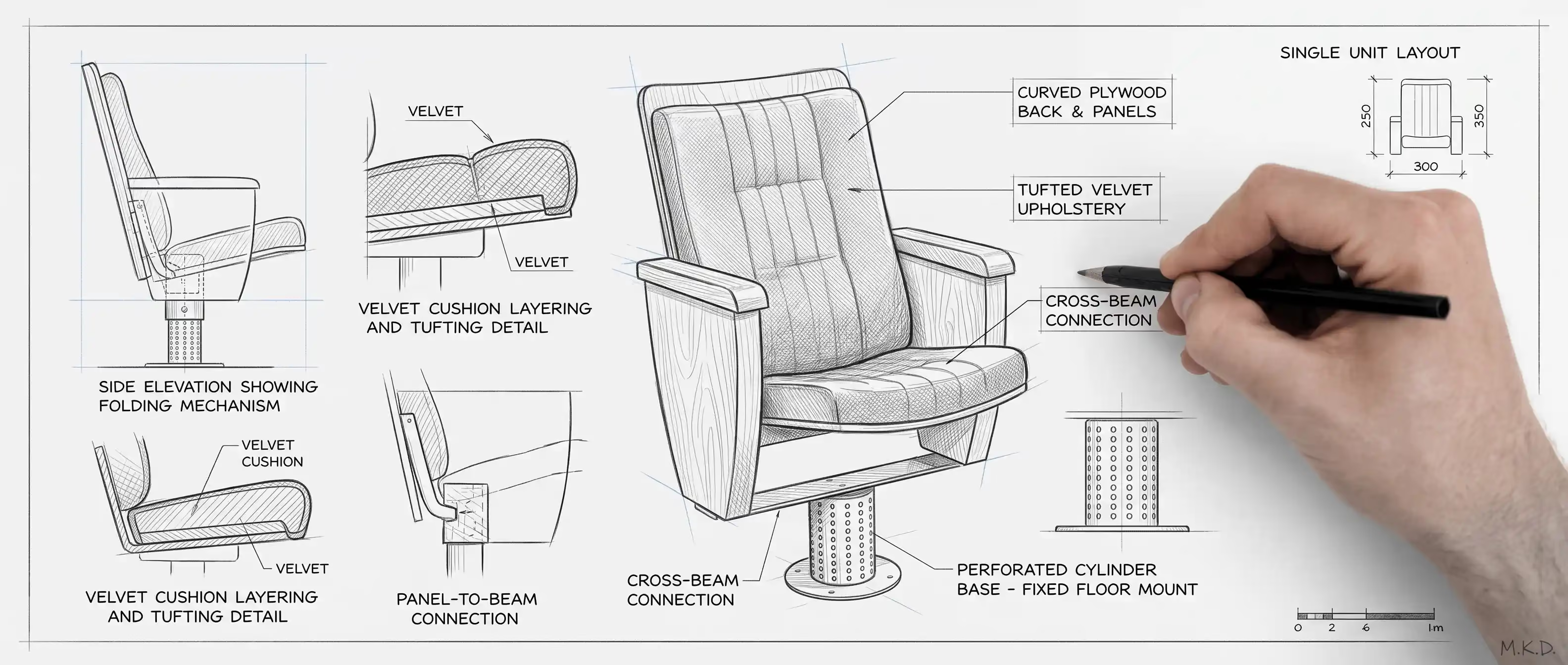
Upholstery build-ups should be tuned so that an unoccupied chair approximates the absorption of a seated person, stabilising the hall's acoustics between rehearsal and performance. As a working benchmark we look for upholstered assemblies achieving NRC 0.5 or higher, reviewed against the hall's acoustic model rather than in isolation. Timber or solid outer shells on seat backs can contribute useful early reflections for on-stage ensemble and front-stall clarity. Just as important is silence in operation: damped, counterweighted tip-up mechanisms prevent the clatter of seats during standing ovations and quiet exits alike — a detail audiences never notice until it is wrong.
4. Materials, Fire Performance and Longevity
Theatre seats work hard for decades between refurbishments. The technical specification we apply:
- Upholstery: contract-grade fabrics or leathers with abrasion resistance appropriate to nightly public use, and fire performance to BS 5852 (Crib 5) for UK venues.
- Structure: powder-coated steel underframes engineered to EN 12727 durability classes for intensive use, fixed to raked slabs, steps or riser faces as the section demands.
- Finishes: timber armrests and veneer backs finished to match auditorium joinery; dark, low-sheen finishes control light spill from aisle and step lighting.
- Maintainability: replaceable cover systems and serviceable mechanisms let a house refresh its interior without re-seating — re-covering costs a fraction of replacement.
5. Function for the Working Theatre
A modern house must serve more than a single format. Removable rows and pit fillers extend the stalls over the orchestra pit for amplified shows; wheelchair positions with companion seats belong within the natural geometry of the plan, not appended to it; and box, balcony and restricted-depth positions often call for compact or bench-type seats designed for the location. Where venues host conferences alongside performance, discreet power provision and generous VIP rows broaden the theatre's commercial reach. Our theatre seating collection spans these formats, from classic proscenium houses to flexible studio spaces.
6. Bringing It Together
Theatre seating stands at the meeting point of atmosphere, geometry, acoustics and stagecraft. Specify it early, test it against the acoustic model, and let it carry the character of the house. If you are planning a new venue or the refurbishment of an existing one, we would be glad to review your seating strategy alongside the acoustic design — contact us to discuss your project.
.webp)