
Cinema Seating Explained: From Standard Stalls to VIP Recliners
Cinema Seating Explained: From Standard Stalls to VIP Recliners
Cinema has answered the age of home streaming with a simple proposition: an experience the living room cannot match. Seating sits at the centre of that proposition. The comfort hierarchy of a modern cinema — standard stalls, premium rows, loveseats and full electric recliners — is now a core part of each operator's commercial strategy, shaping ticket pricing, capacity planning and audience loyalty.
For architects and operators, cinema seating is equally a technical exercise: row pitch and floor geometry, sightlines to a screen rather than a stage, intensive nightly use, food-and-beverage service and the acoustic environment of a calibrated sound system all place specific demands on the seat. This guide sets out how we approach cinema seating specification at Acoustic Design.
Explore the full guide below, and for more expert insights, subscribe to our LinkedIn newsletter or contact us to discuss your project.

1. The Comfort Hierarchy: Standard to VIP
Modern cinema design rarely specifies a single seat type. A typical screen now layers its offer:
- Standard seats: compact tip-up seats on 550–600 mm centres, balancing comfort with capacity.
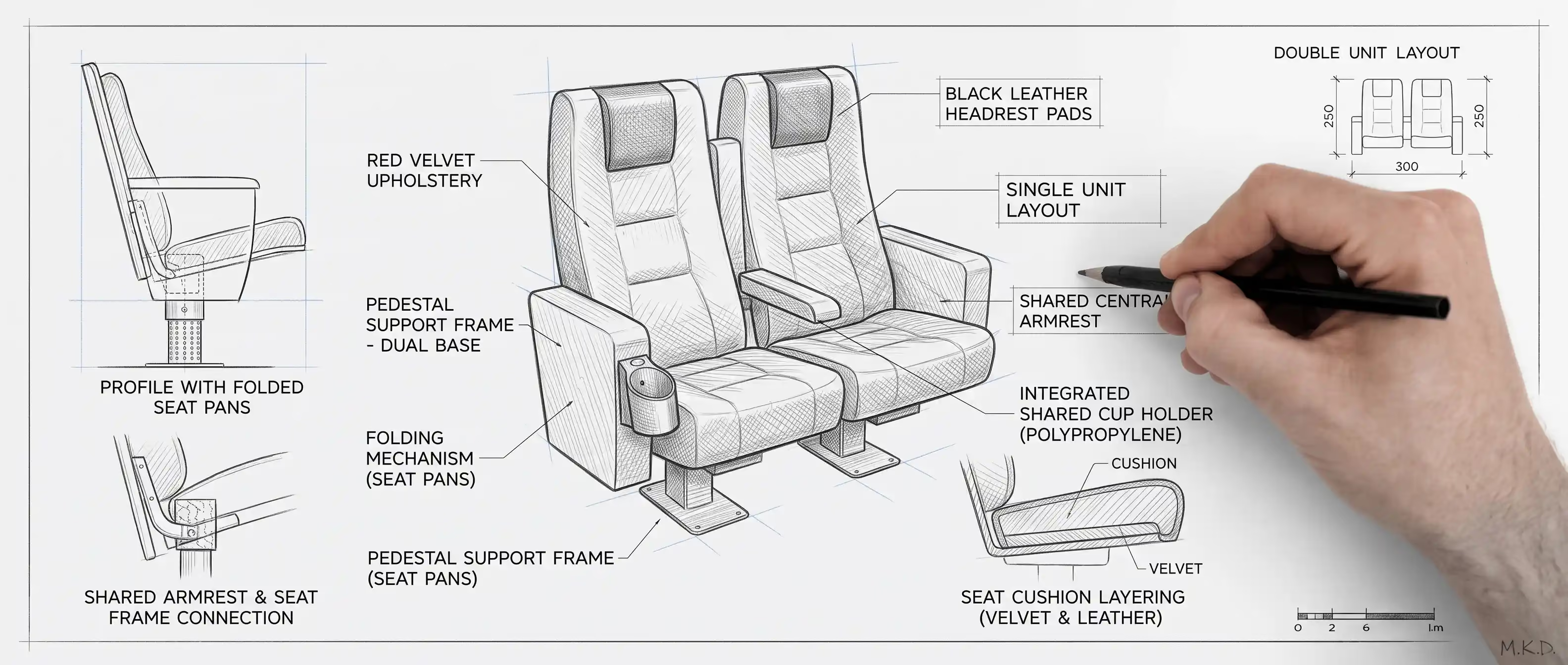
- Premium rows: wider seats, higher backs, headrests and generous armrests with integrated cup holders.
- Loveseats: two-person sofas without a centre armrest, favoured for premium rows and boutique screens.
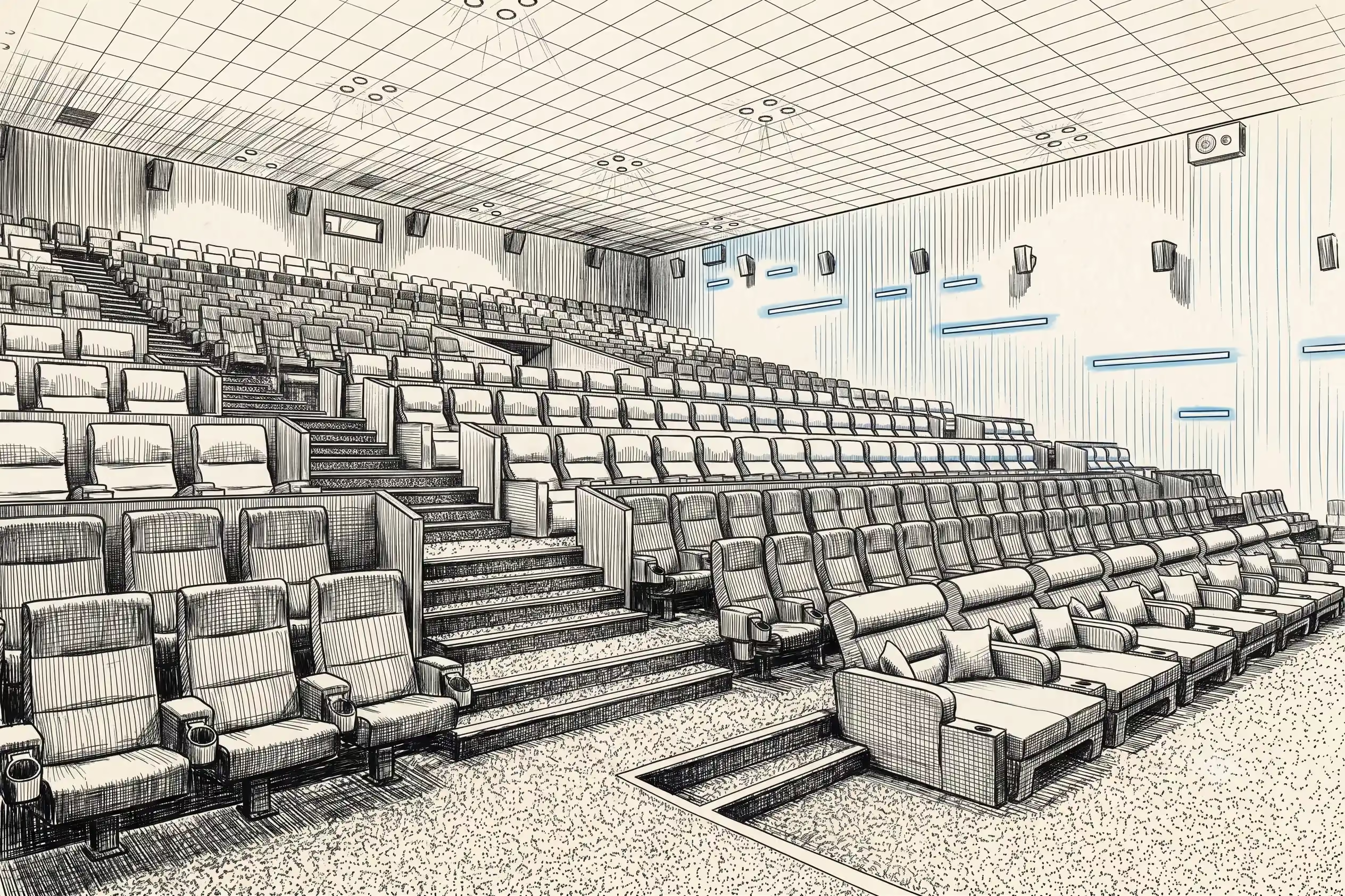
- Electric recliners: motorised backrest and footrest with one-touch or wall-free operation, typically on 1,300–1,700 mm row pitch — roughly half the density of standard stalls, at a multiple of the ticket price.
The capacity/revenue balance between these tiers is a business model decision as much as a design one; the cinema seating range we work with covers every tier of this hierarchy.
2. Geometry for the Screen
Cinema sightline design differs from theatre: the target is a screen with defined top and bottom edges, viewed from a stadium-raked floor. Row pitch, riser heights and the first-row viewing angle are resolved together — an excessive upward gaze angle in front rows is the most common comfort failure in small screens. Recliner auditoria change the geometry again: the reclined eye position, extended footrest envelope and step-free service aisles must all be built into the floor design from the start. Seat selection and floor geometry are therefore a single exercise, not sequential ones.
3. The Acoustic Role of the Cinema Seat
A calibrated cinema sound system assumes a controlled, consistently absorbent room — and the seating plane is the largest absorbing surface in it. Heavily upholstered cinema seats contribute a substantial share of the auditorium's total absorption, keeping reverberation low and dialogue intelligible, and stabilising the room's response between a full Saturday screening and a quiet Tuesday matinee.
Specification points we review: upholstery build-ups with high absorption across speech frequencies; solid, rattle-free shell construction — bass energy in a cinema will find every loose fixing; and silent mechanisms, both tip-up returns in standard stalls and quiet-rated actuators in recliners, so the seat never intrudes on the soundtrack. In premium auditoria we also review seat placement against the room's bass management, as large recliner masses close to walls interact with low-frequency behaviour.
4. Built for Intensive Use
Cinema seats endure some of the harshest service conditions in public seating: multiple daily occupancies, food and drink, and cleaning between screenings.
- Upholstery: stain-resistant, cleanable contract fabrics or faux leather with fire performance to BS 5852 (Crib 5); faux leather is favoured in food-heavy formats for wipe-down cleaning.
- Structure: steel underframes to EN 12727 intensive-use durability classes; floor fixings designed for stadium risers.
- Service features: tip-forward or lift-up seat access for cleaning beneath rows; replaceable cup holders and armrest caps; upholstery cover systems replaceable screen by screen.
- Recliner mechanisms: sealed, serviceable actuators with accessible controls and manual-release provision, specified with spare-part availability across the venue's refurbishment cycle.
5. Power, Service and Accessibility
Recliner formats bring building services to every seat: low-voltage power distribution, USB charging and, in dine-in concepts, service tables and call systems. Cable routing through hollow supports keeps floors clear and maintainable. Accessibility must offer the premium experience equally: wheelchair positions with companion recliners, transfer armrests and step-free routes to premium rows belong in the layout from the first drawing. Our cinema seating collection includes standard, loveseat and recliner formats specified to these criteria.
6. Bringing It Together
The cinema seat now carries the industry's core promise: an experience worth leaving home for. Specifying it well means resolving the comfort hierarchy, floor geometry, acoustics and operational durability as one design problem. If you are planning a new cinema or upgrading an existing screen, we would be glad to review your seating and acoustic strategy together — contact us to discuss your project.
.webp)