
What Is Retractable Seating? Telescopic Systems for Multi-Purpose Venues
What Is Retractable Seating? Telescopic Systems for Multi-Purpose Venues
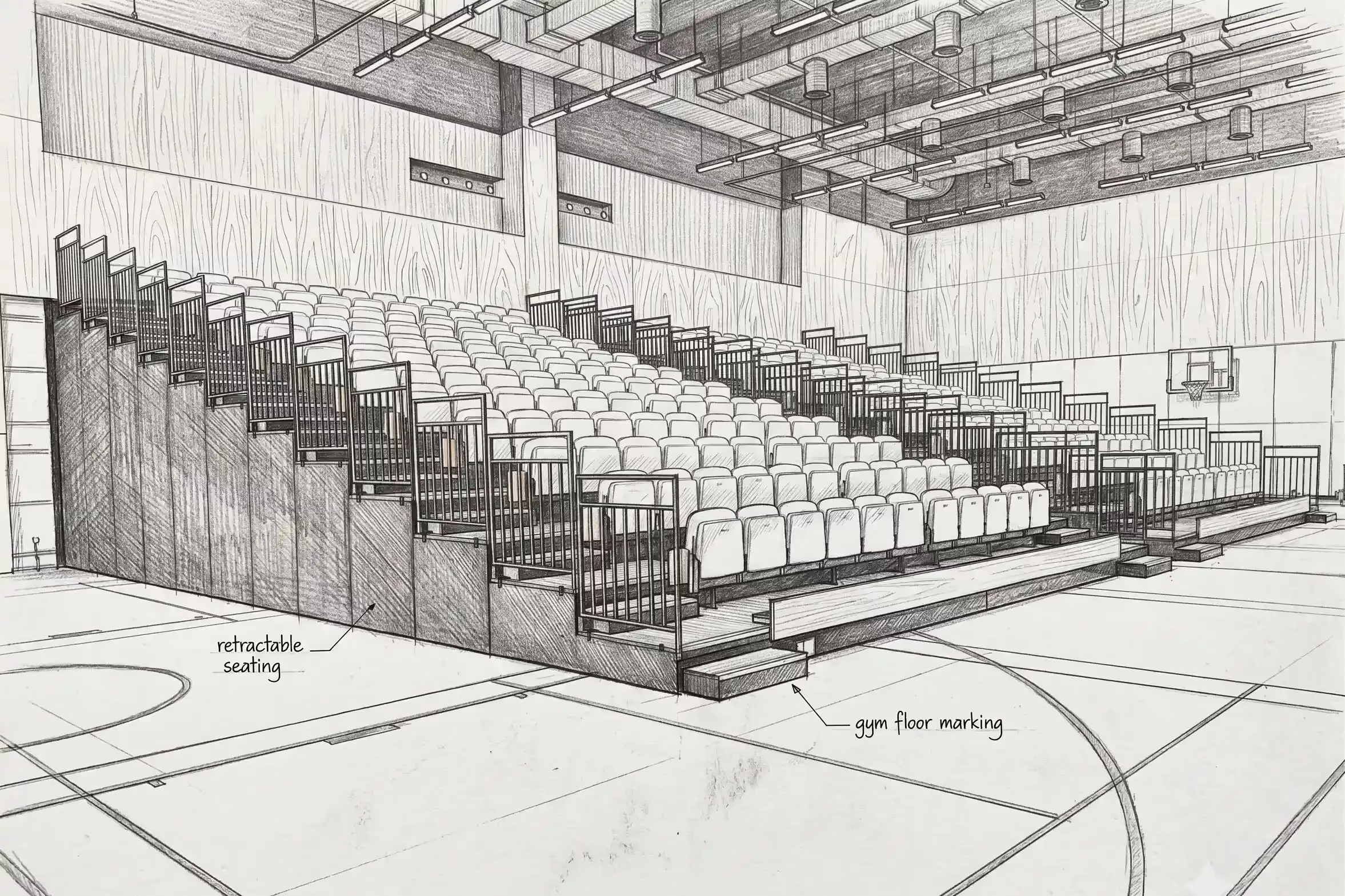
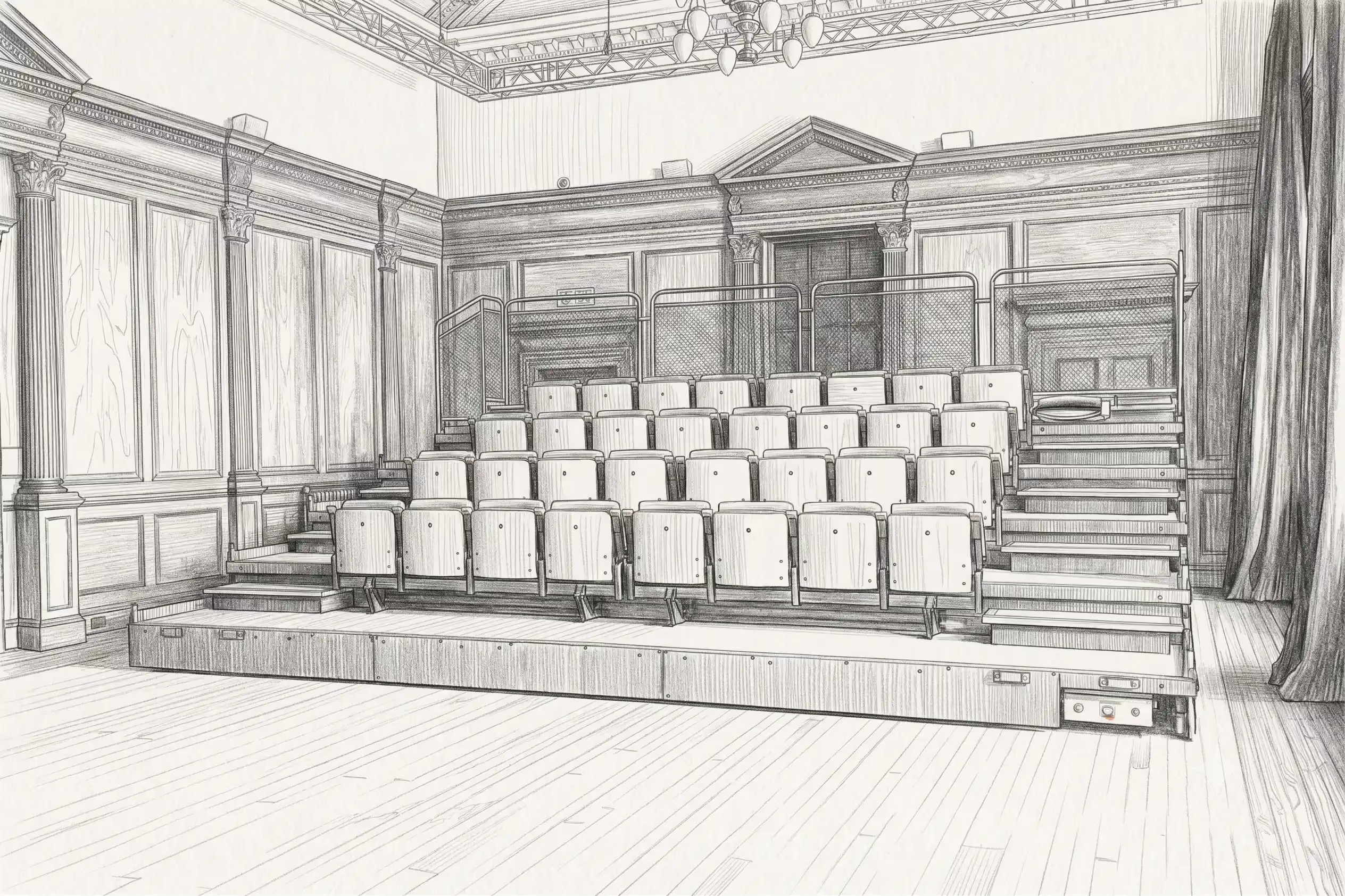
Few building components change what a room is the way retractable seating does. Extended, it delivers a raked auditorium with proper sightlines; retracted, it returns a clear, flat floor for sport, banquets, exhibitions or rehearsal. For schools, universities, community venues and arenas, that transformation is the difference between one space and two — and it is the economic argument at the heart of every multi-purpose hall.
Behind the transformation sits serious engineering: moving structures that carry hundreds of people must deploy reliably, lock positively and satisfy demanding safety standards, thousands of times over their service life. This guide sets out how we evaluate retractable and telescopic seating systems at Acoustic Design, from platform engineering to the acoustic behaviour of a room that changes shape.
Explore the full guide below, and for more expert insights, subscribe to our LinkedIn newsletter or contact us to discuss your project.

1. The Case for Transformation
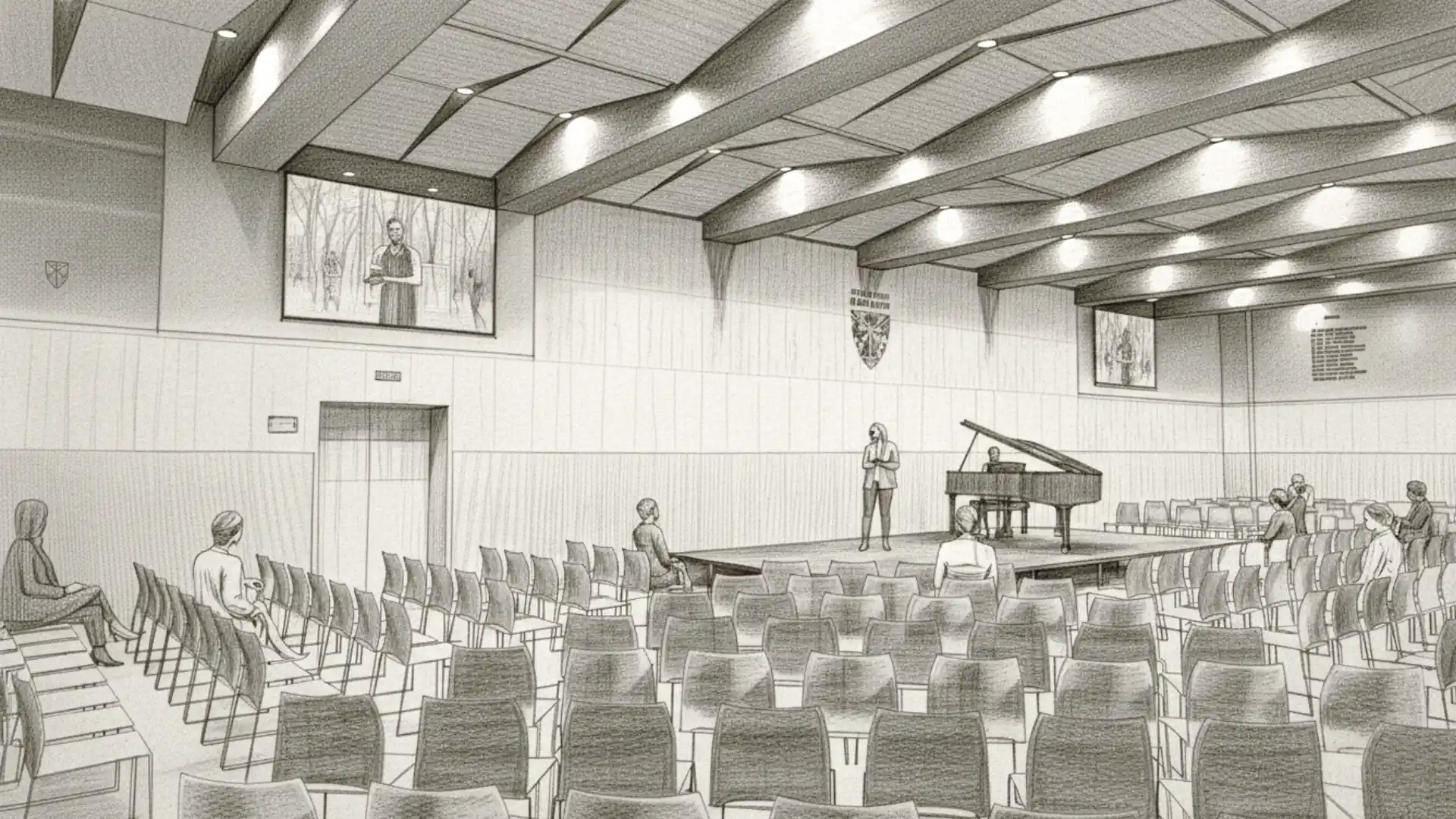
A dedicated 400-seat auditorium serves one function; the same floor area with retractable seating serves assembly in the morning, sport in the afternoon and performance in the evening. The commercial mathematics — one building envelope, multiple revenue streams — has made telescopic systems standard equipment in education and community projects, and increasingly in commercial venues seeking flexible capacity. For the architect, the design task is ensuring the auditorium mode is a real auditorium, not a compromise: proper rake, genuine sightlines and seat comfort comparable to fixed installations, within a structure that disappears when the room changes role. For the room-scale questions this raises, see our Multipurpose Hall Design article.
2. How Telescopic Systems Work
A retractable unit is a set of nested, wheeled platforms that extend row by row and stack vertically when closed:
- Row depth: typically 750–1,000 mm per platform, chosen together with seat type and seatway clearance.
- Row rise: commonly 200–400 mm per row, setting the sightline quality of the extended bank.
- Closed depth: the stacked unit occupies little more than the depth of a single platform plus its structure — the space-saving that justifies the system.
- Configuration: wall-attached, free-standing or mobile units on transport dollies, allowing banks to be repositioned or removed entirely.
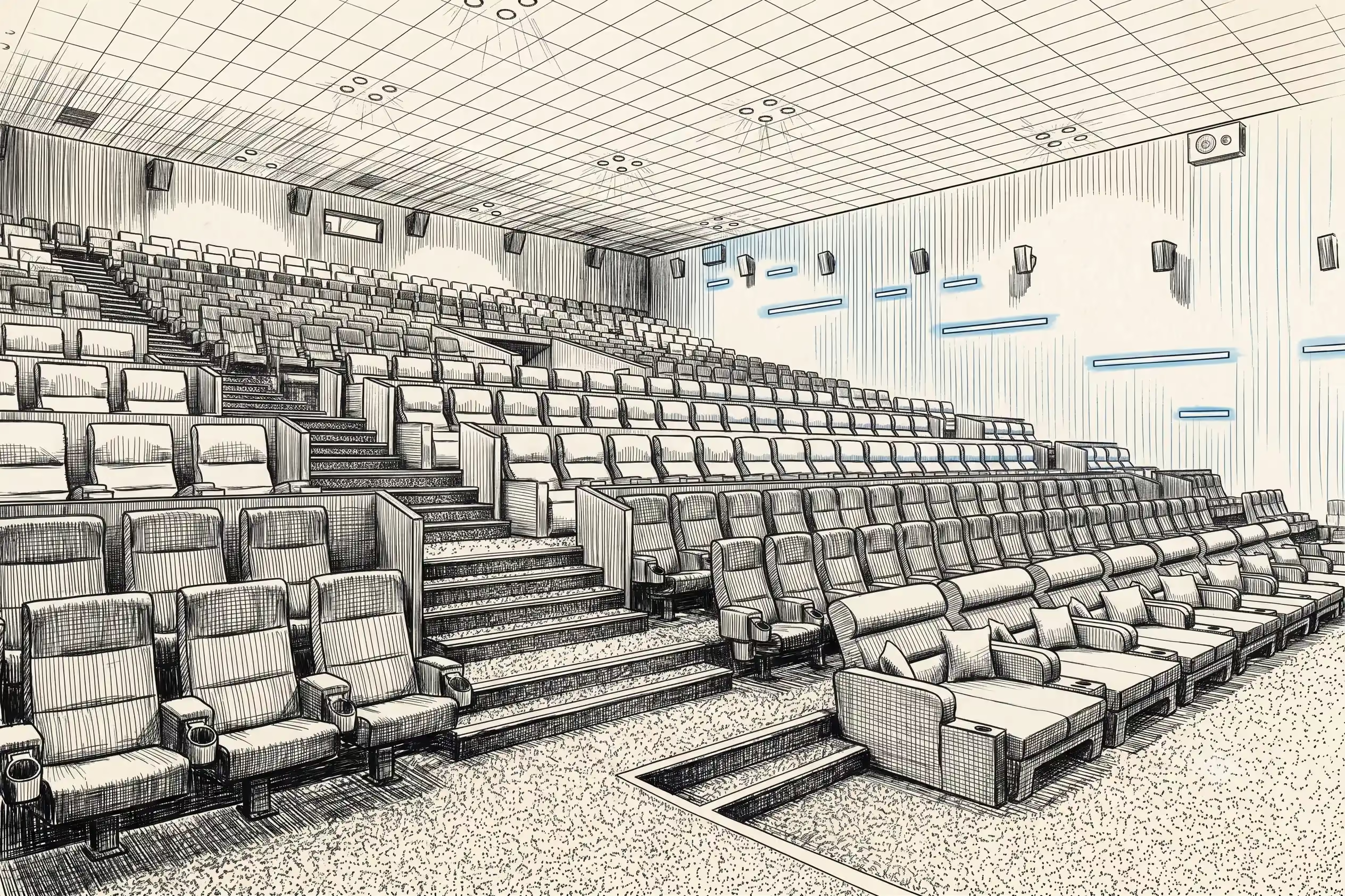
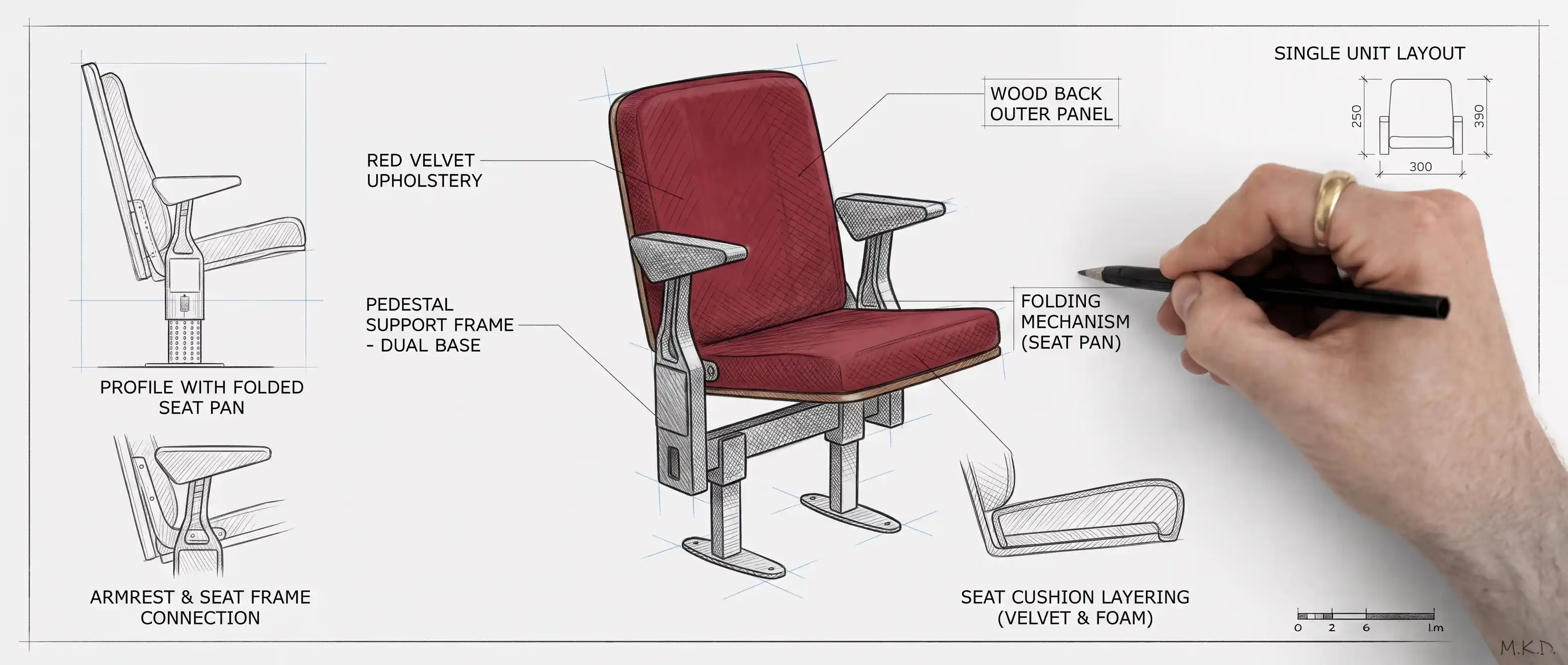
Seat formats range from upholstered tip-up chairs comparable to fixed auditorium seating, through high-back polypropylene units for sports use, to bench formats for maximum capacity — and the choice defines both the comfort and the character of the hall in auditorium mode.
3. Operation and Handling
Manually operated banks suit smaller installations and simpler budgets: rows are drawn out by trained staff, seats are raised or unfolded row by row, and the bank is locked into position. The specification points that separate a good manual system from a poor one are the effort required at the pull point, the positivity of the row locks, the clarity of the locked/unlocked indication and the guarding of pinch points during travel. For larger banks, daily transformations or venues without dedicated staff, integrated drive systems remove the manual effort entirely — we cover these in our companion article on Motorised Retractable Seating.
4. Safety, Structure and Standards
Retractable grandstands are moving structures carrying crowds, and the specification must treat them accordingly:
- Design standards: telescopic stands fall under EN 13200-5 (spectator facilities — telescopic stands), alongside the general loading and barrier requirements of the EN 13200 series.
- Structural loading: platforms and locking systems verified for crowd loading including dynamic effects — rhythmic movement of a sports crowd is the governing case; host-building floor capacity checked for both extended and stacked conditions.
- Barriers and guarding: compliant guardrails to open sides and rear, gangway handrails, and closure of gaps that could trap limbs.
- Egress: aisle widths, row lengths and stepped gangway geometry integrated with the venue's escape strategy in every configuration the hall will use.
- Fire performance: upholstery to BS 5852 (Crib 5), as for fixed seating.
5. The Acoustics of a Room That Changes Shape
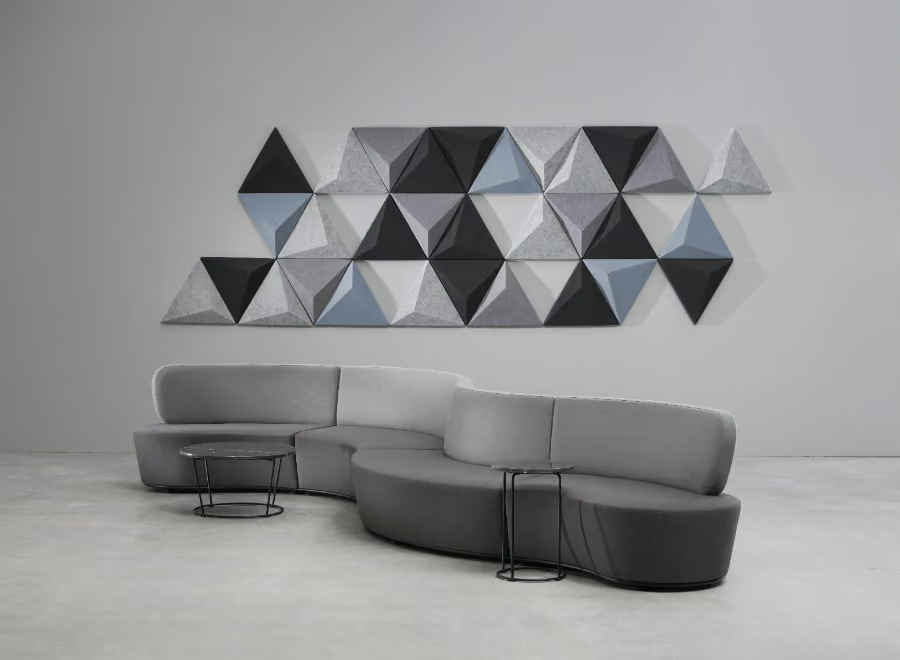
A hall with retractable seating is really two acoustic rooms. Extended, the upholstered bank adds a large absorbing, diffusing surface and the audience it carries; retracted, the hall reverts to hard floor and wall — typically far more reverberant. The acoustic design must work in both states: variable absorption elsewhere in the room can balance the retracted mode, while the seating specification — upholstery build-up, shell design — sets the absorption of the extended mode. Mechanical quality matters here too: a well-engineered bank is free of panel rattle and structure-borne noise under audience movement, an audible difference between systems that shows up in every quiet moment of a performance. And beneath the closed stack, wall and floor junctions should be detailed so the parked unit does not become an unintended resonant cavity.
6. Bringing It Together
Retractable seating succeeds when the auditorium mode feels permanent and the transformation feels effortless — engineering, safety, comfort and acoustics resolved as one system. If you are planning a multi-purpose hall, sports venue or flexible auditorium, we would be glad to review the seating system alongside the room's acoustic design — contact us to discuss your project.
.webp)