Stage Rigging & Equipment
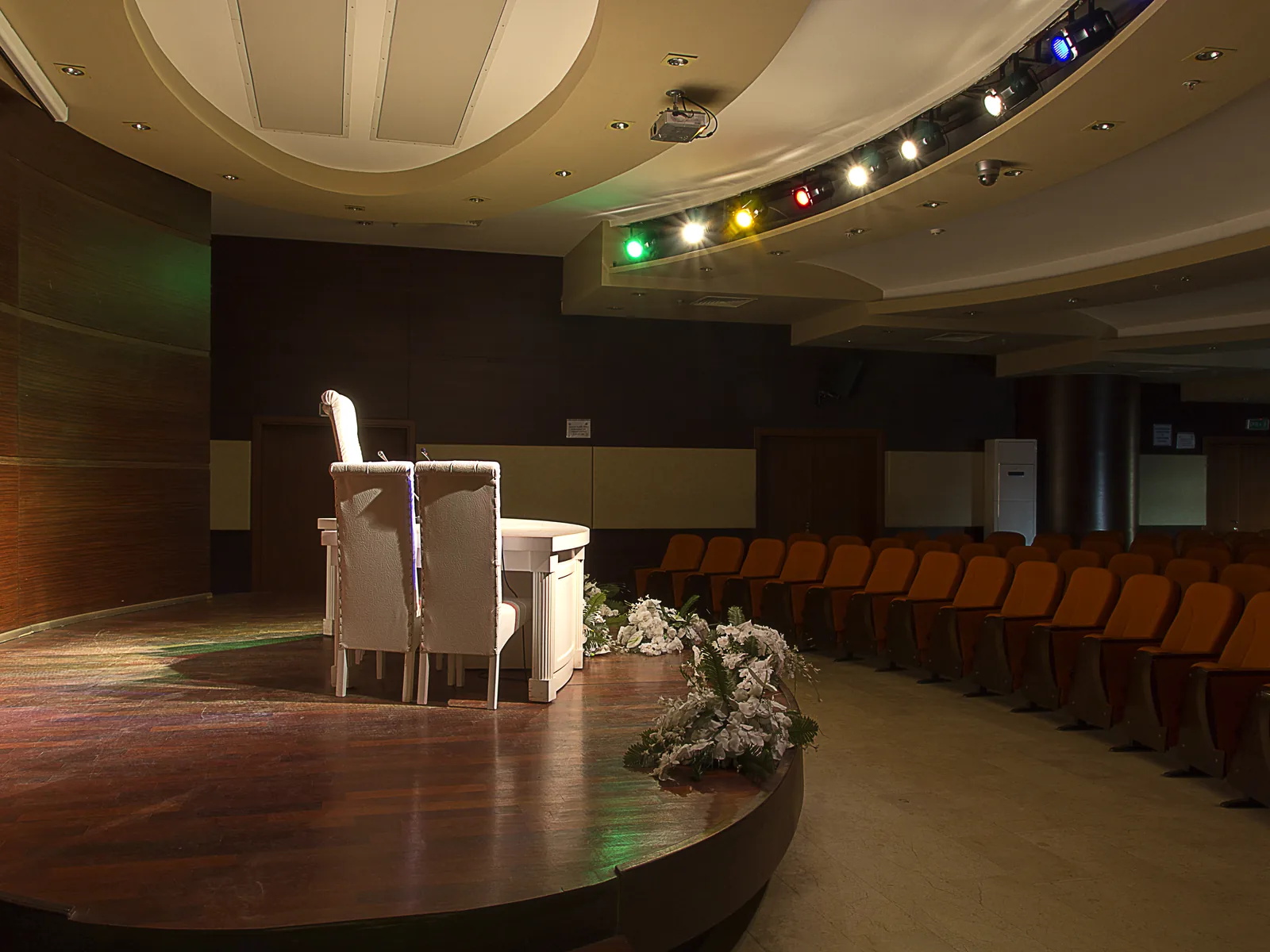
At Acoustic Design, we know that perfect execution and seamless transitions define the magic of theatre. Our modern stage rigging and equipment are designed to give unmatched support and safety, therefore guaranteeing that every set change and aerial performance is carried out with accuracy. From strong trusses and hoists to sophisticated control systems, our solutions are customised to fit the particular requirements of your location, therefore improving both artistic expression and practicality.
Safe support above the stage
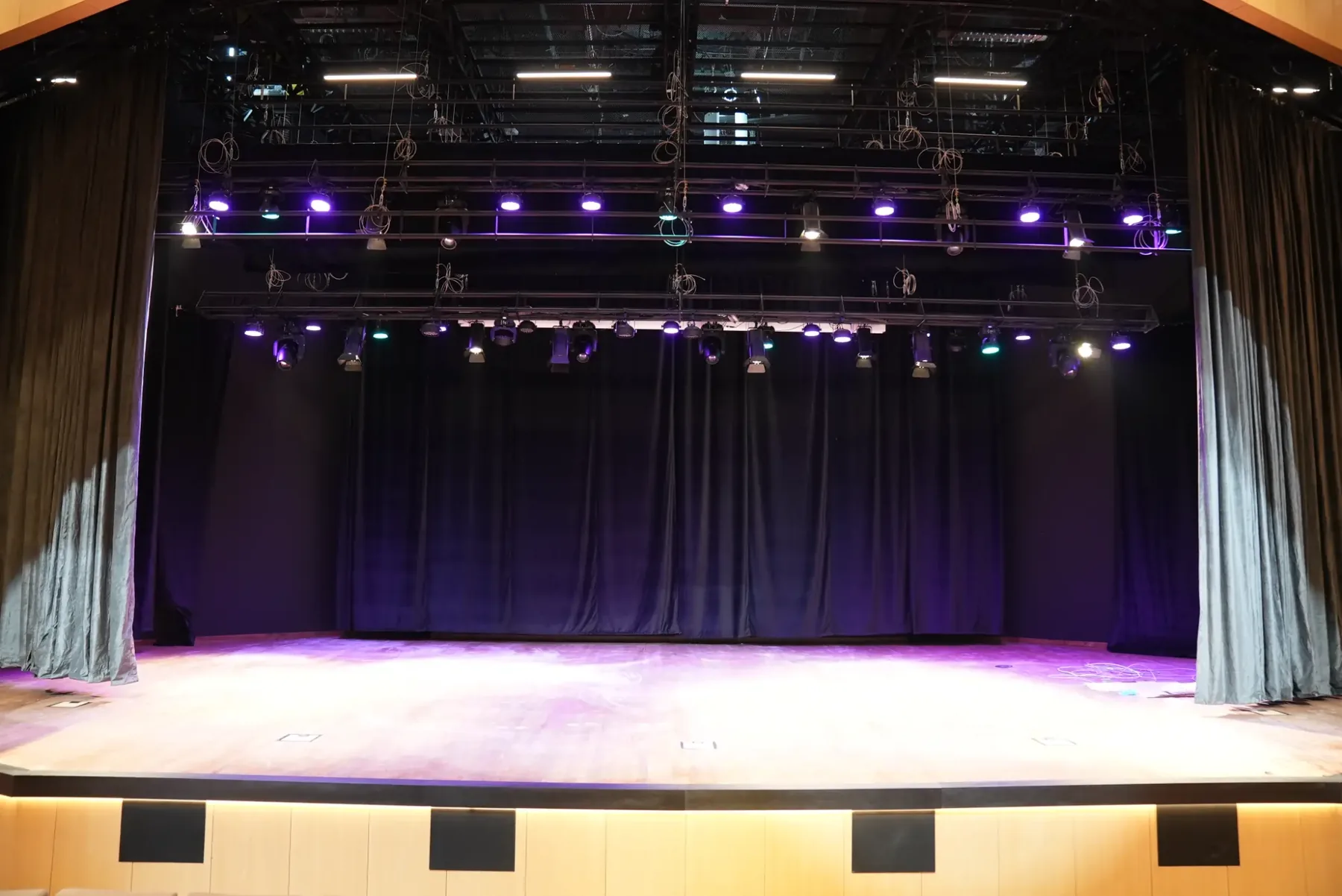
Rigging carries the lights, loudspeakers and scenery above a stage. We plan trusses, hoists and controls to the venue's productions and structure, then coordinate supply and installation.

Planned with the structure and the room
Stage rigging carries the lights, loudspeakers and scenery, and it hangs from the building. We check loads and fixing points against the structure with your engineer first, then plan the positions with the lighting, the sound system and the acoustic surfaces above the stage, so each system has the place it needs and nothing is found too late.
Every bar, truss and hoist adds a load to the roof or the grid, and the loads move when a production changes. We list the working loads for each position, agree them with the structural engineer and record them for the venue's future use. The positions are then set together with the lighting designer's angles, the loudspeaker aiming and the acoustic shell or reflectors, because all of them share the same space over the stage. Where a reflector and a lighting bar compete for the same height, the decision is made on the drawing, not on site. The result is a rigging plan the whole team has agreed before the steel is ordered.
Equipment chosen for your productions
We work with the leading manufacturers of trusses, hoists and rigging controls, but no single brand writes the brief. The productions your venue will host, the loads they bring, the speed and quietness they need and the service available in your country decide the shortlist, and we show the comparison with its reasons.
A school hall that hangs a few lights needs different equipment from a theatre that flies scenery during a performance, so the specification starts with the programme and the loads. We then compare candidate trusses, chain hoists, motorised bars and their control systems against load, speed, noise, safety functions and the maker's support and spare parts in your region. Where the rigging must move during a show, quiet running and controlled stopping are specified, not hoped for. You see the alternatives side by side and choose on facts. Because the design is written in performance terms, later additions join the same control system without replacing what was installed.
One team to the load test
We plan the rigging, coordinate its supply and installation with your contractor and the specialist riggers, and witness the load tests and commissioning on the finished stage. The same team that set the positions with the acoustics and the lighting checks them on site, so the rig is handed over as it was drawn and documented.
Rigging is installed while the building is still open above the stage, so the sequence matters: steelwork, hoists and bars go in before the ceilings, the acoustic surfaces and the loudspeakers close the space. We coordinate that sequence with the main contractor and the other specialists, check the fixing points and the wiring against the drawings, and make sure the control position gives the operator a clear view of every movement. At the end the load tests and the control functions are witnessed and recorded, and the certificates go into the handover file. Scope and responsibilities are written into the proposal, so you know who answers for the stage.
Safe, documented and trained
Our theatres, school halls and cultural centres were handed over with the rigging load-tested, its certificates filed and the stage crew trained. You receive the rigging plan with its working loads, the test records and the manuals, so your team can hang each production safely and we can support the stage as the programme grows.
Safety above the stage lives in the records: which position carries what load, when each hoist was tested, how the controls behave in an emergency stop. We hand these over as one file, with the as-built rigging plan, the load schedule, the test certificates and the inspection intervals the equipment needs. Operator training is part of the proposal, so the stage team learns the rig on their own stage and knows what must not be done. Ask us for the venues where this was delivered; the stages we have handed over are the reference we point to, and we remain reachable for inspections, changes and additions as your productions change.
The structure that carries the show

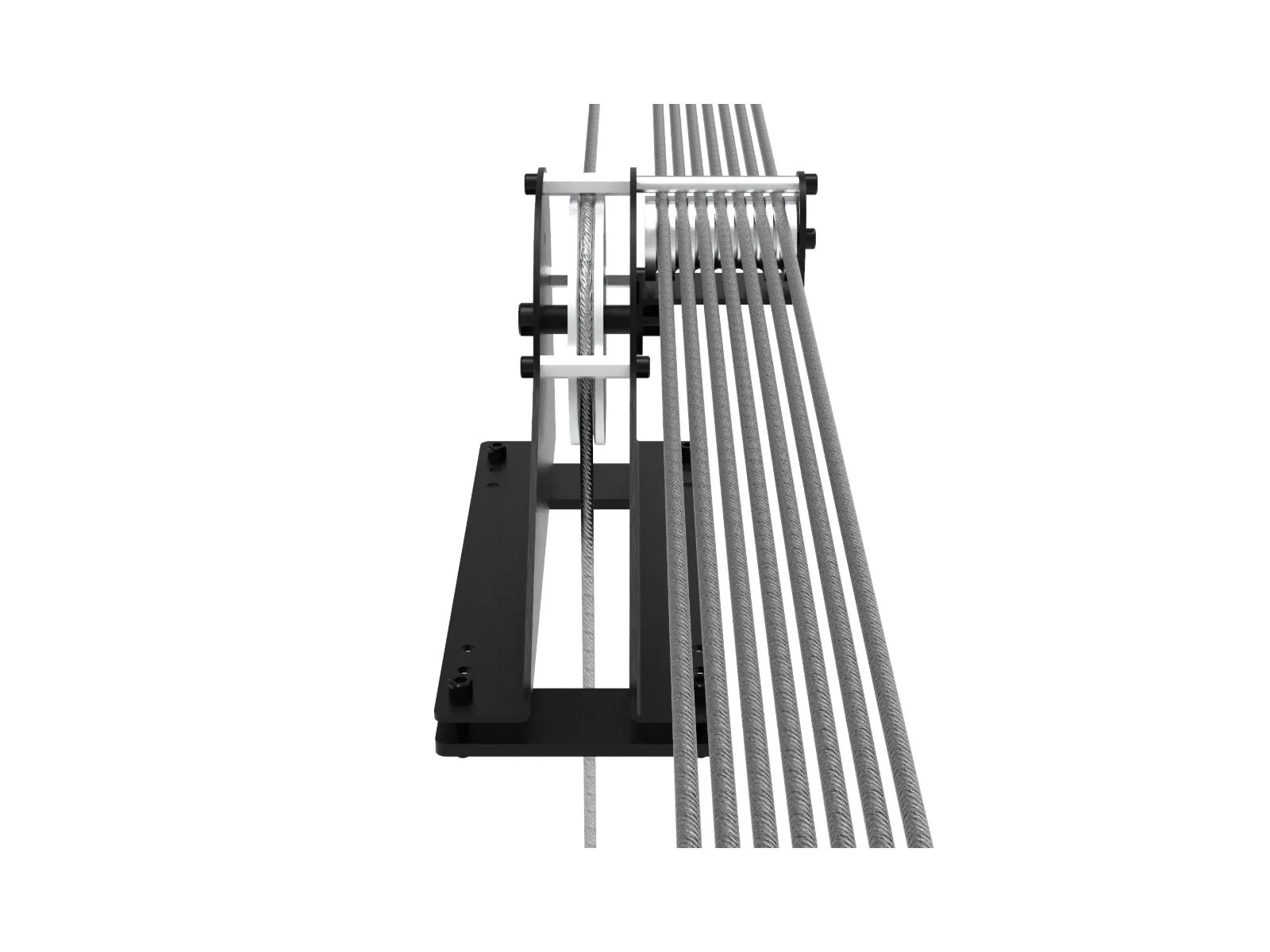
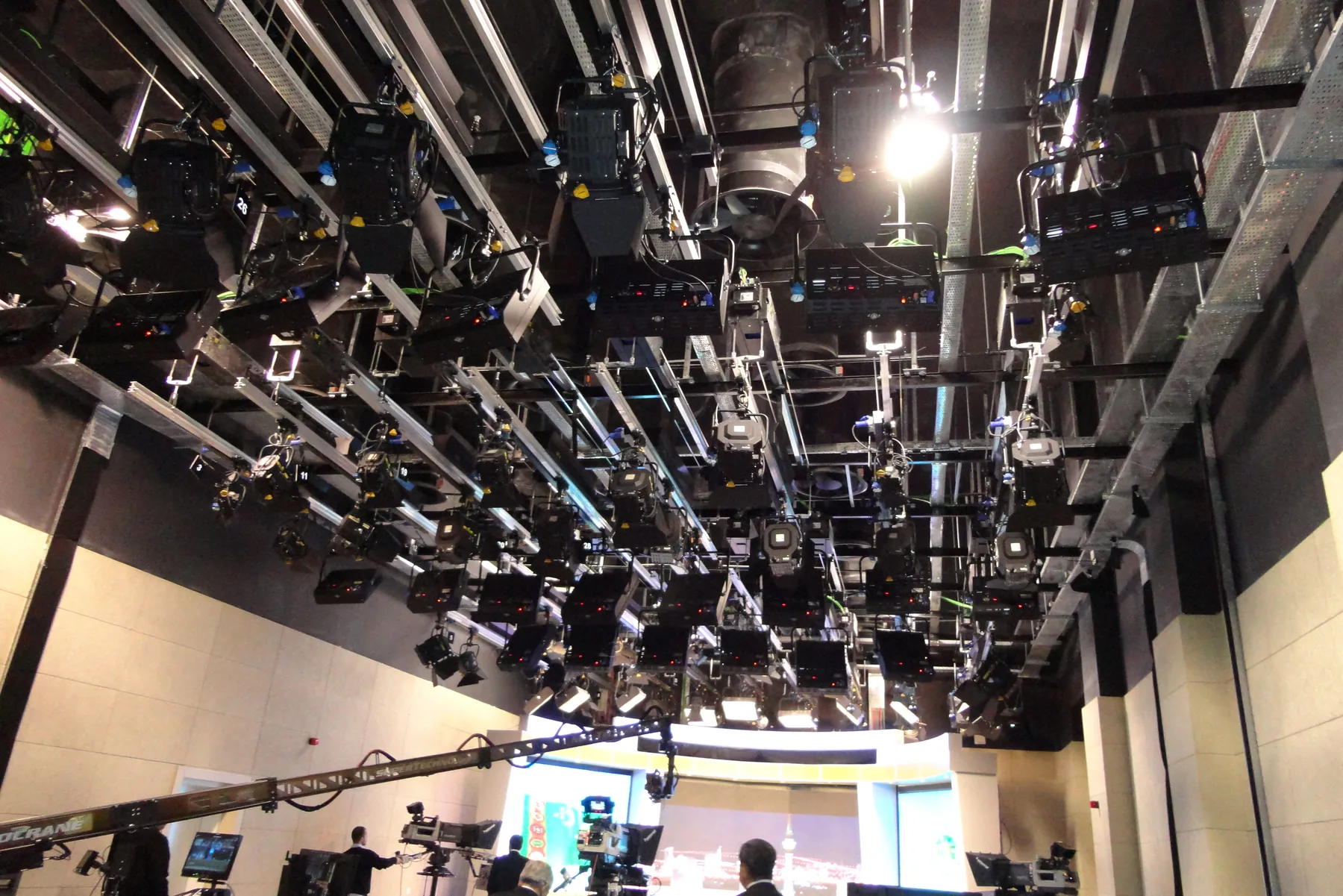

Trusses and lighting grids
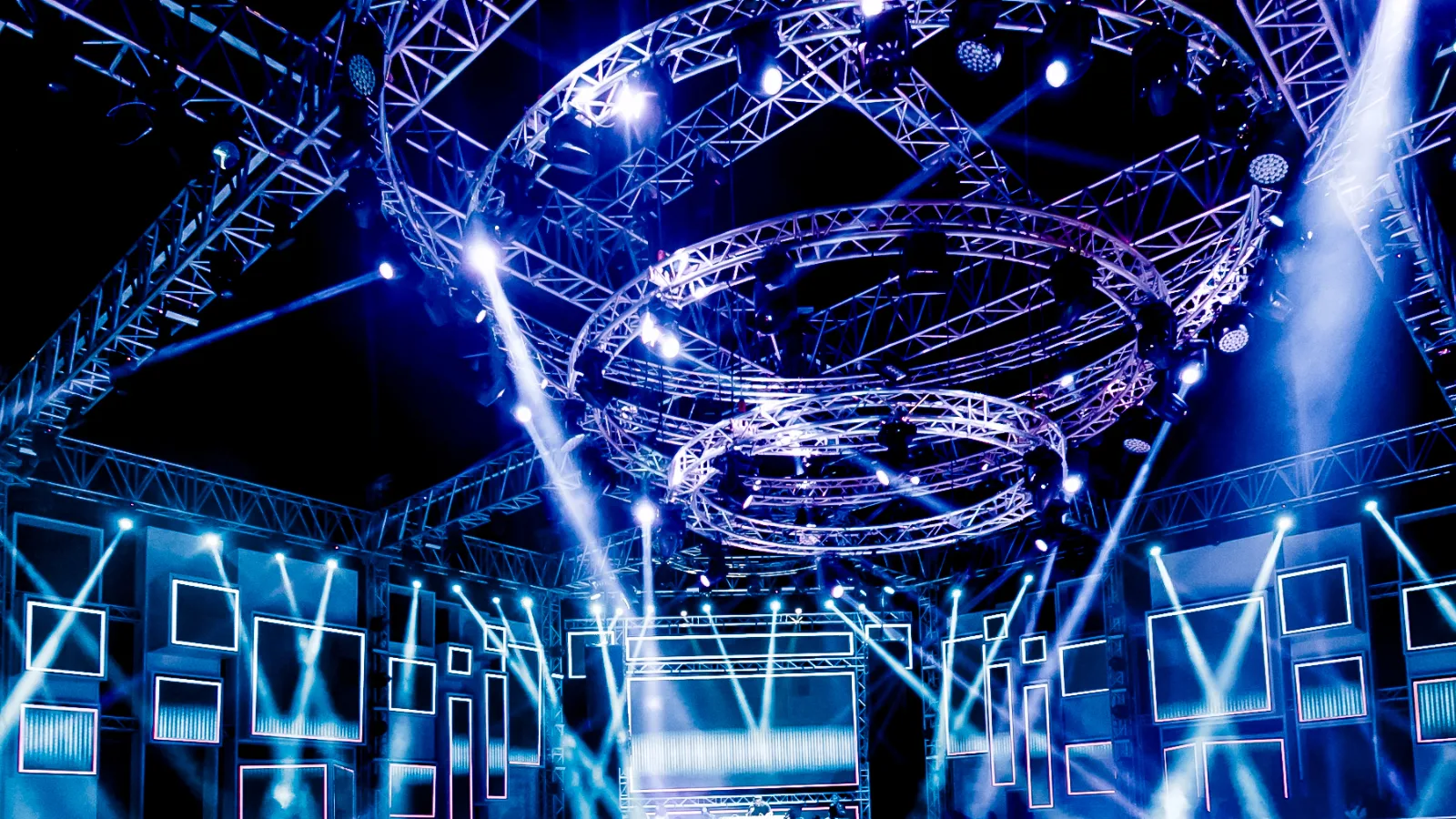
Trusses and grids carry lighting, sound and scenery above the stage, with every load and fixing point checked against the building's structure with your engineer.

Chain hoists
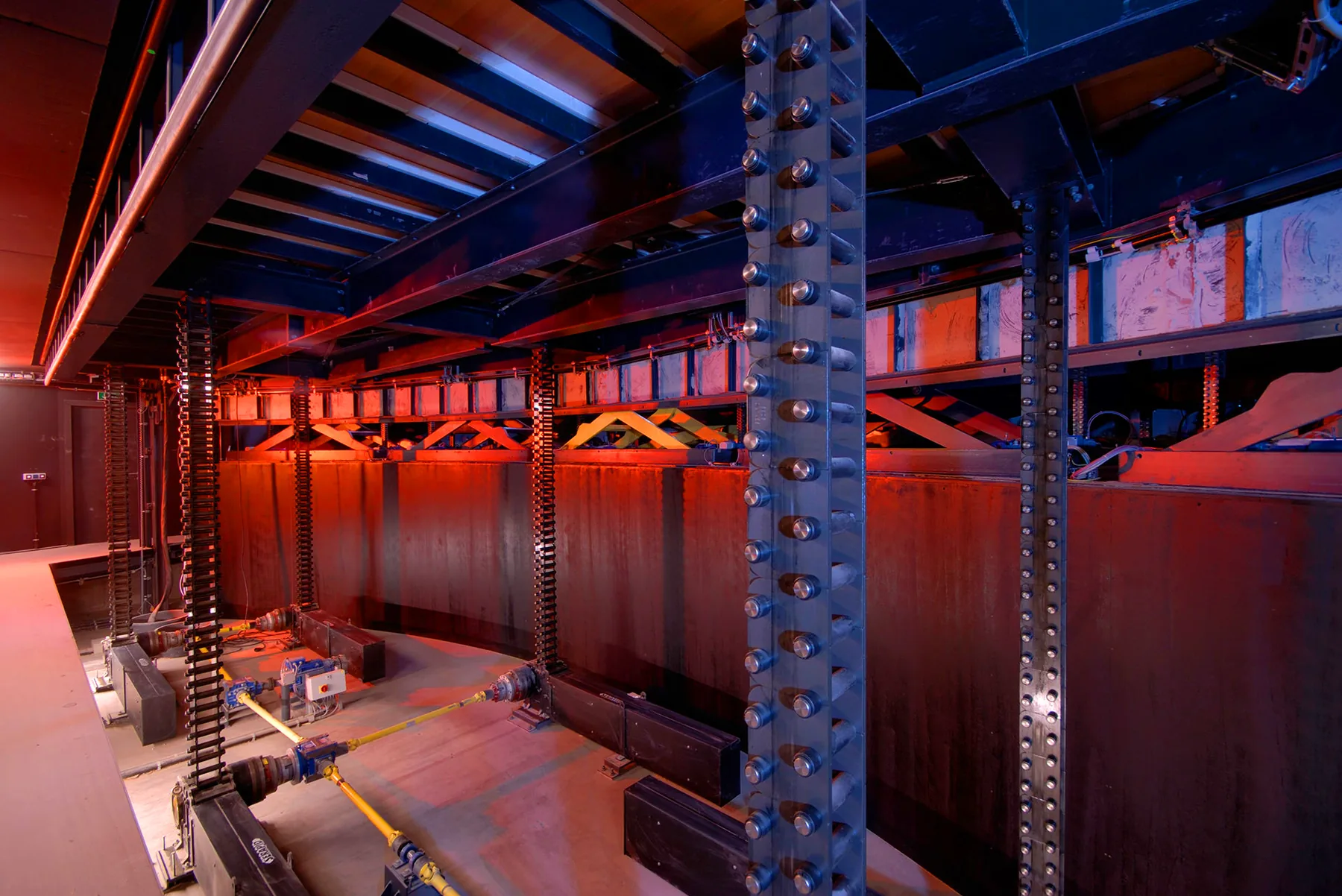
Motorised chain hoists lift trusses and loads to working height, planned for the weights each production brings and the speed and quietness the stage needs.

Lighting and loudspeaker bars
Bars over the stage and front of house hold lights and loudspeakers in fixed or flown positions, shared out with the acoustic surfaces so each system gets its place.

Hoist and rigging control
Rigging controls let the stage team raise and lower each load from one position, with the emergency stop tested and documented before handover.
Complete the stage
See the rest of our stage and Pro AVL range.



Brands we specify and integrate
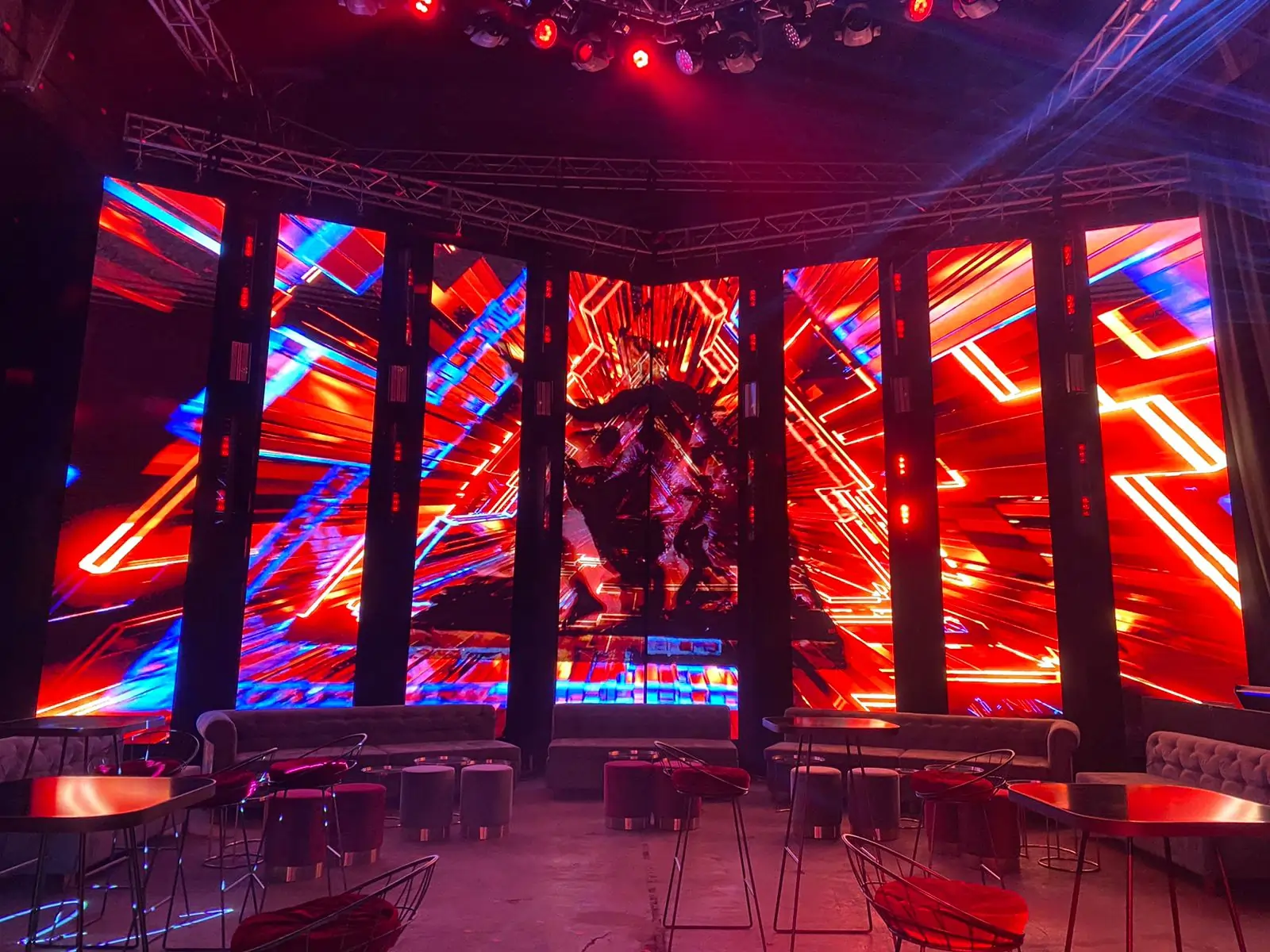
These are brands we specify and integrate, not a closed list. We choose by performance, reliability and fit with the room's acoustic design, then integrate everything into one system.




From first survey to final finish
Seven steps, one team, one point of contact. Book a consultation and we'll come back to you with the next step.
Five steps, one team, one point of contact. Book a consultation and we'll come back to you with the next step.

Every space starts with the brief: who sits where, how people move, and what they need to see and hear. We plan the layout around it and design the room with its acoustics and technology together, with panel positions, fixings and finishes drawn up. Nothing moves forward until you have approved the design package.
Learn moreEvery space starts with the brief: who sits where, how people move, and what they need to see and hear. We plan the layout around it, so the acoustics fit the plan from the first sketch.
Learn more
The room is designed with its acoustics and technology together, not one after the other. Treatment is drawn up with panel positions, fixings and finishes, and nothing moves forward until you have approved the design package.
Learn more
An acoustician reads the room on site, or from your drawings and photos when a visit isn't practical. We set the acoustic targets, read reverberation, ambient noise and noise transfer against how the space is used, and review the design against them.
Learn more
Every quotation comes with the specification behind it: products by type, quantity and finish, with costs set out line by line. What is quoted is what the design calls for.

Panels, baffles, ceilings, screens and seating come from the manufacturers we work with, supplied to the approved specification. What arrives on site matches what was designed.
Learn more
Panels, baffles, ceilings, screens and seating come from the manufacturers we work with, supplied to the approved specification. Our own team installs them to the approved drawings, checking positions and fixings as they go. What arrives on site matches what was designed, and the handover is agreed with you.
Learn moreOur own team builds to the approved drawings, checking positions and fixings as they go. The team that supplies the treatment also installs it, and the handover is agreed with you.
Learn more
After fit-out, the room can be measured again and compared with its targets, so the result is measured rather than assumed. Compliance testing is carried out with accredited testing partners, and the written record goes into your building file.
Learn moreRecent case studies
Measured before. Measured after. That is how we report every project.

Questions about Stage Rigging & Equipment
Our answers on planning stage rigging and equipment: trusses, hoists and controls, upgrading an existing venue, coordination with acoustics and lighting, and handover.
The structure that carries lights, loudspeakers and scenery above the stage: trusses, hoists and their controls. It is planned to the productions the venue will host and to the building's structure.
Yes. We check the structure, loads and existing equipment first, then plan an upgrade that suits the venue's productions.
Rigging positions carry the lights and loudspeakers, and they share space with acoustic surfaces above the stage. We plan them together so each system has the position it needs.
We plan the system and coordinate its supply, installation and commissioning, so it is tested on the finished stage before handover. Scope and responsibilities are set out in the proposal.
It should be. We agree operator training and documentation in the proposal, so your stage team can run the rigging safely from the first show.
Ready to hear the difference? Let's talk.
Start with a free consultation meeting. Bring your drawings or just an idea, and leave with a clear next step for your space.