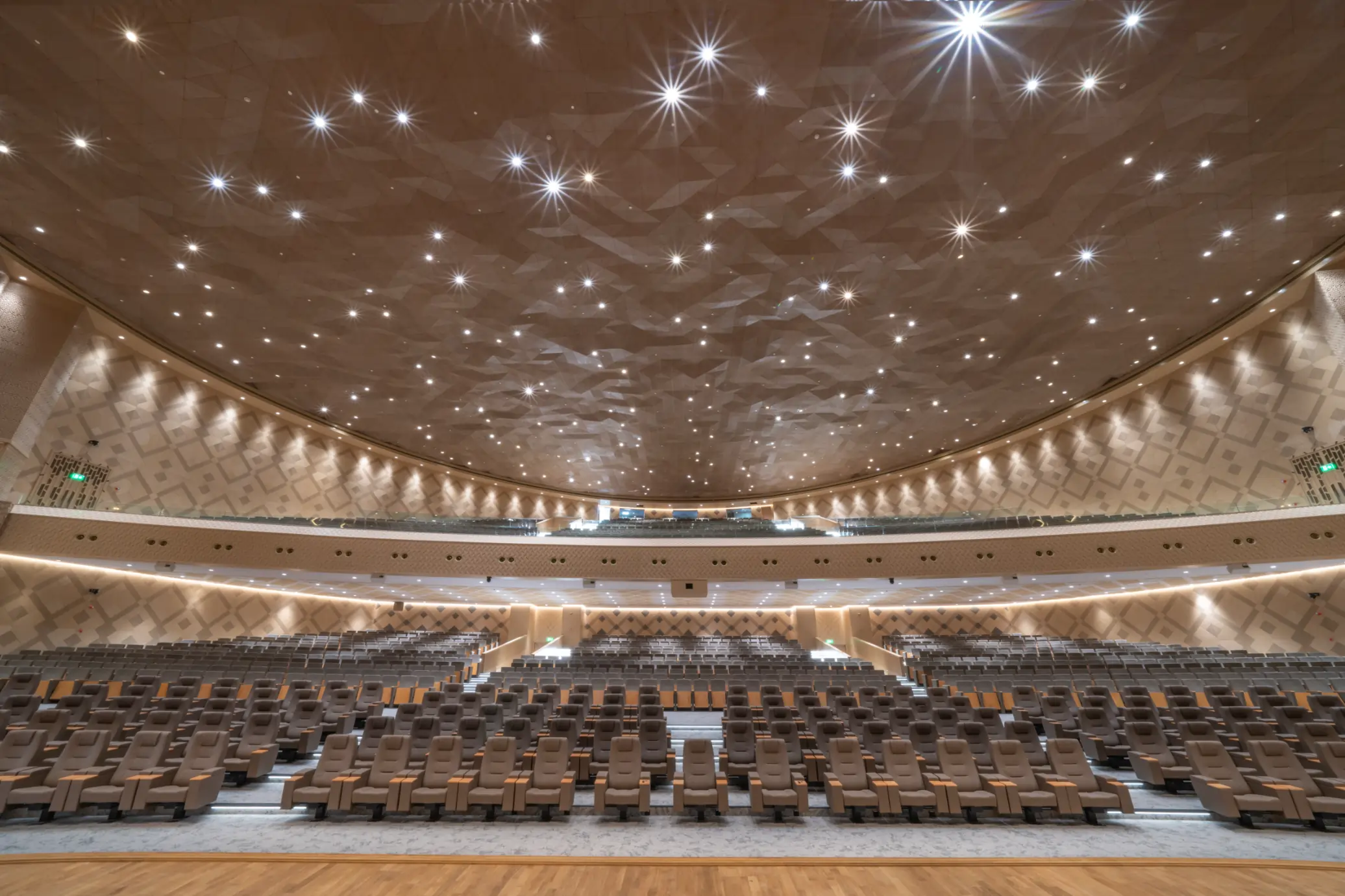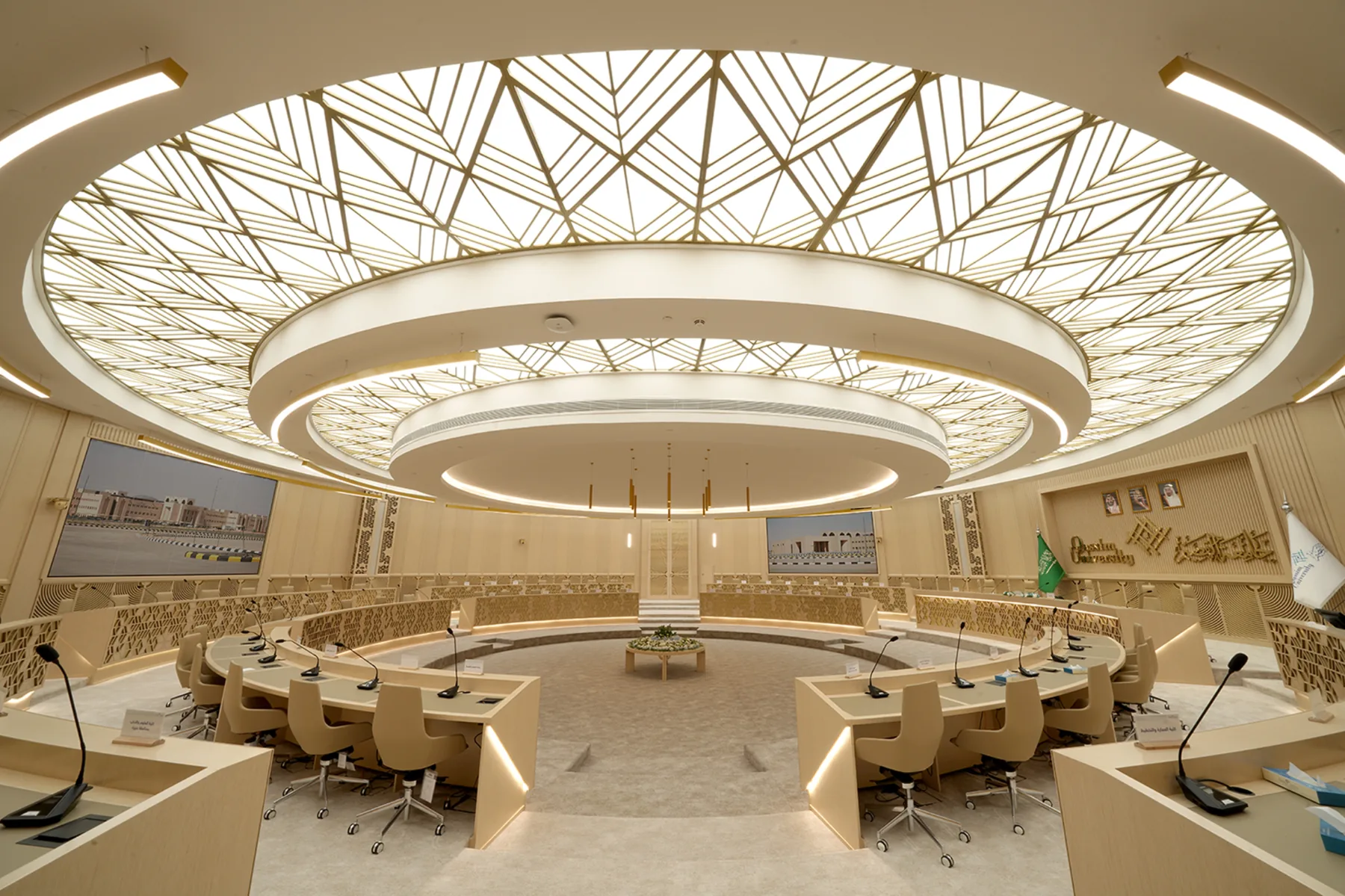
Conference & Automation Systems
In today's fast-paced business environment, efficient communication and streamlined operations are paramount. At Acoustic Design, we offer cutting-edge conference and automation systems that integrate seamlessly into your workspace, enhancing collaboration and productivity. Our solutions encompass intuitive control interfaces, automated lighting, and advanced audiovisual technology, all tailored to meet the unique needs of your organization.
Meetings that start on time
Conference systems bring microphones, sound, video, lighting and room control under one simple interface. We plan them with the room's acoustics and layout, then coordinate supply, installation and commissioning.
Clear speech starts with the room
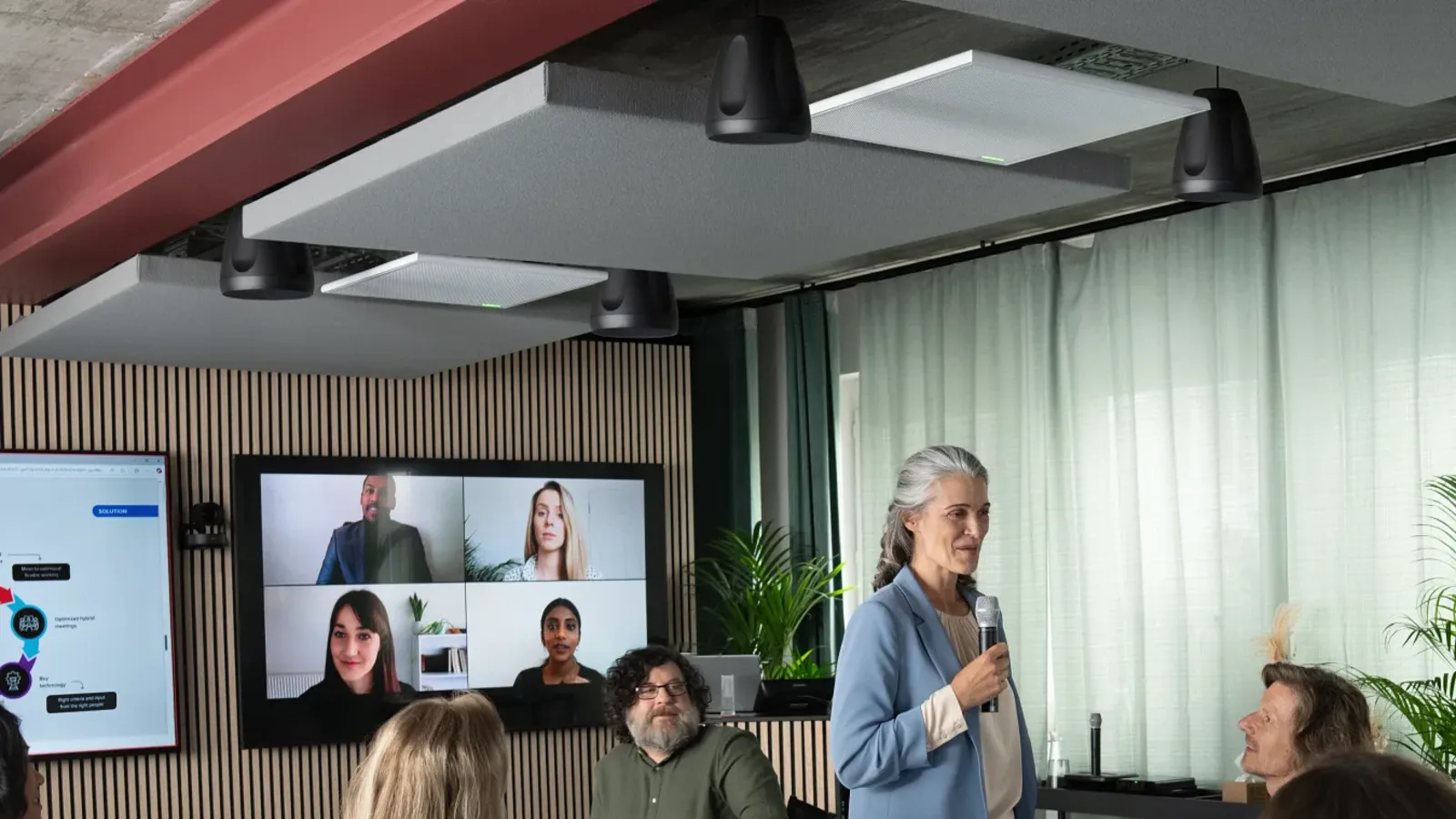
Conference systems only sound as clear as the room around them. Microphones pick up echo and background noise, and remote participants hear every flaw. We design the room's acoustics and the conference system together, so each speaker is heard clearly in the hall and on the recording without the system working against the walls.
We start with the reverberation and the background noise of the chamber or meeting room, because those decide how much a microphone can pick up before speech becomes hard to follow. Absorption on the right surfaces, quiet ventilation and the right microphone type for each seat are planned as one design. Loudspeaker positions are set so the room's own reflections do not feed back into the microphones, and the sound is even from the chair to the last delegate desk. The acoustic model is checked with measurements once the room is finished, and the system is tuned to the real room rather than to a laboratory figure.

Equipment chosen for the way you meet
We work with the leading manufacturers of conference, interpretation and room-control equipment, but the way your organisation meets writes the brief. The number of delegates, voting and interpretation needs, recording, remote participation and service in your country are the criteria, and we compare systems from several makers against them.
The specification describes the meeting first: how many seats speak, whether sessions are chaired, recorded, interpreted or streamed, which rooms must be linked, and who operates the system. We then compare candidate microphone systems, interpretation equipment, cameras, displays and control platforms against those needs and against each maker's support, spare parts and training in your region. You see the alternatives with their reasons and choose on facts. Because the design is written in terms of the meeting, it can be scaled from a boardroom to a council chamber or a congress hall without changing its logic, and later additions join the same control system.
One team from design to handover
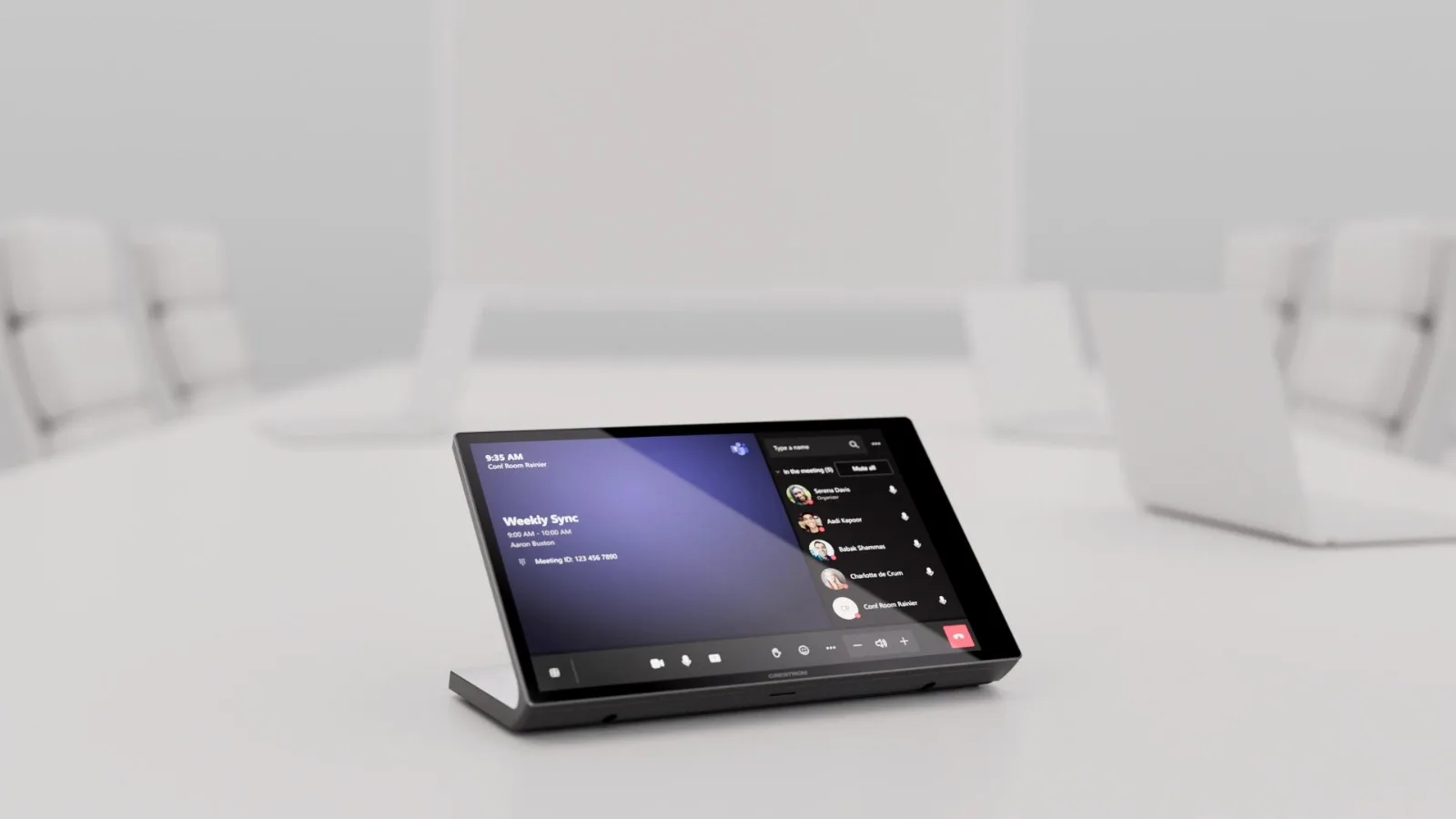
We write the specification, coordinate supply and installation with your contractor and commission the conference system in the finished room. The same team that designed the acoustics tests the microphones, the control panel and the links between rooms on site, so a meeting starts without technical delay from the first day.
Conference systems depend on details settled early: cable routes to every delegate desk, rack space, power, the position of the control room or operator desk and the cameras' view of the chamber. We put those on the combined drawings with lighting, video and sound, check the builder's work before the finishes close it in, and coordinate the specialist installer. At commissioning every microphone, button and control page is tested, the audio is tuned to the room, and the presets for each meeting type are built and saved. Scope and responsibilities are written into the proposal, so you know who answers for the result.

Proven in chambers we have delivered
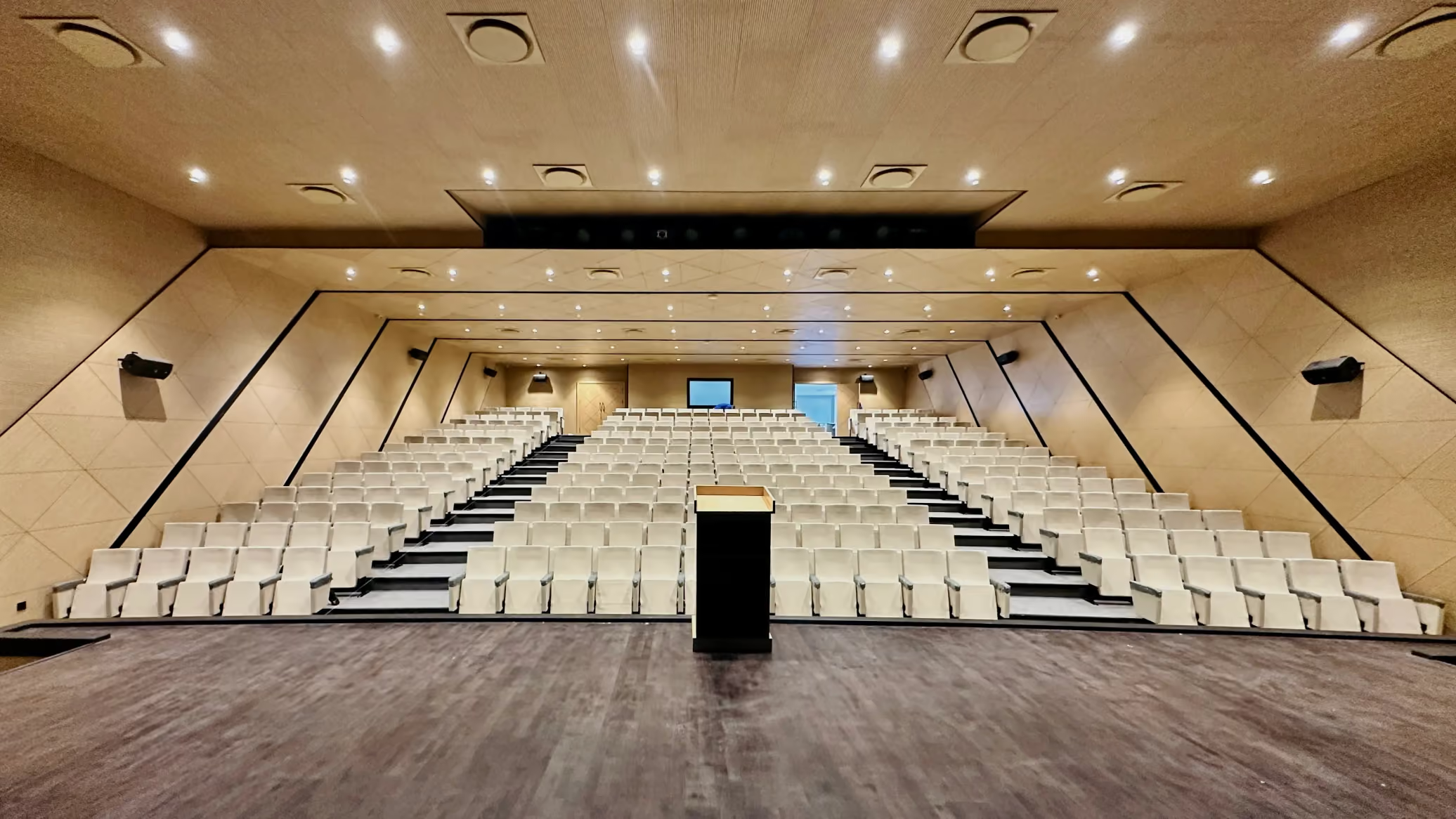
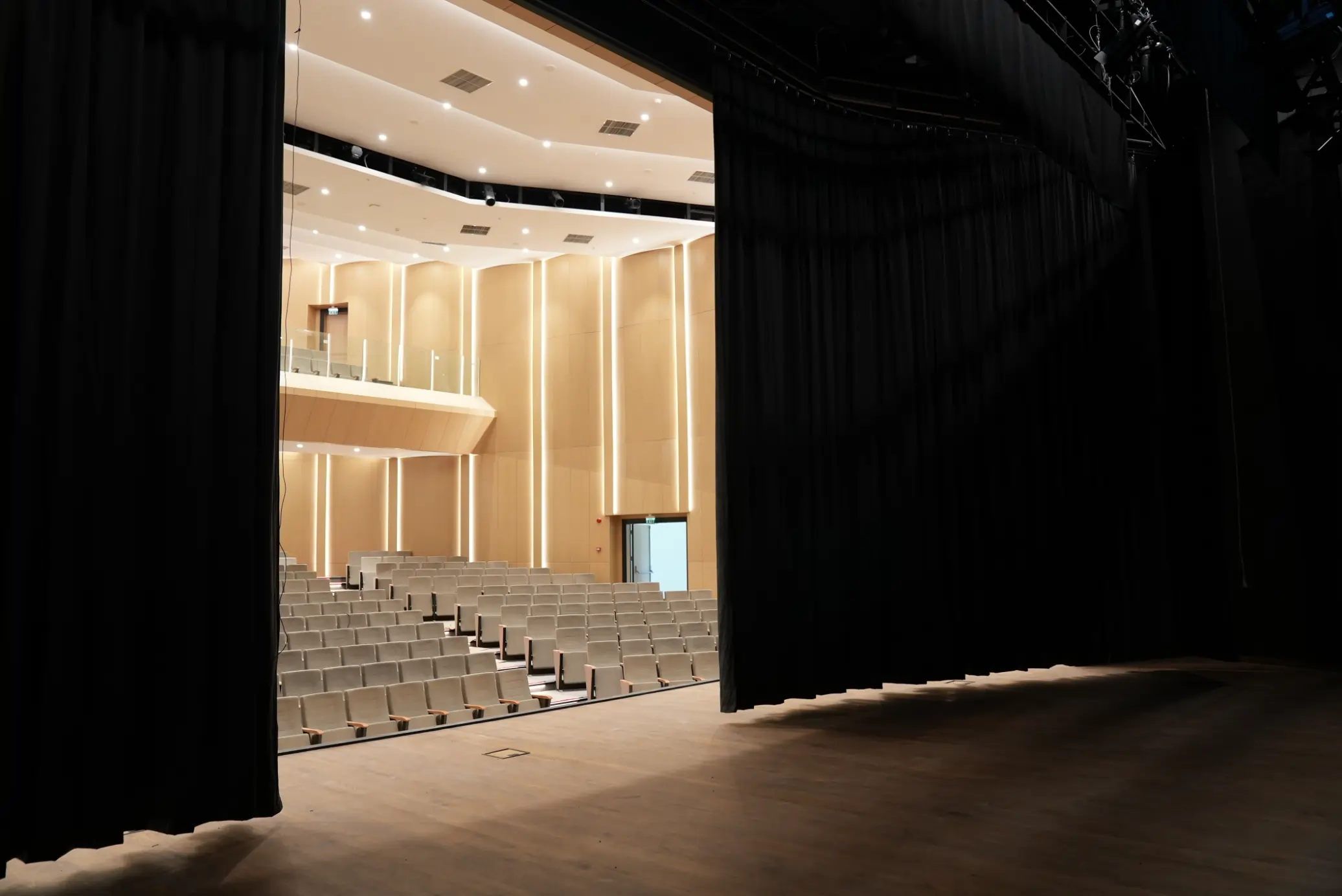
Our council chambers, convention centres and campus halls were handed over with the conference system tuned, every seat tested and the operators trained. You receive as-built drawings, settings and manuals, and we stay reachable after opening, so meetings keep running as the people who operate the system change.
A conference system is used by chairs, clerks and technicians who were not in the design meetings, so the handover is written for them: one-page guides for the control panel, the full documentation for the technical team, and training on the venue's own equipment. The commissioning results, the microphone and loudspeaker settings and the presets are recorded, so later changes can be checked against a known baseline. The same file lists the spare capacity left for more seats, rooms or cameras. Ask us for the chambers and halls where this was done; the venues we have delivered are the reference we point to, not a list of model numbers.
The systems behind a well-run meeting

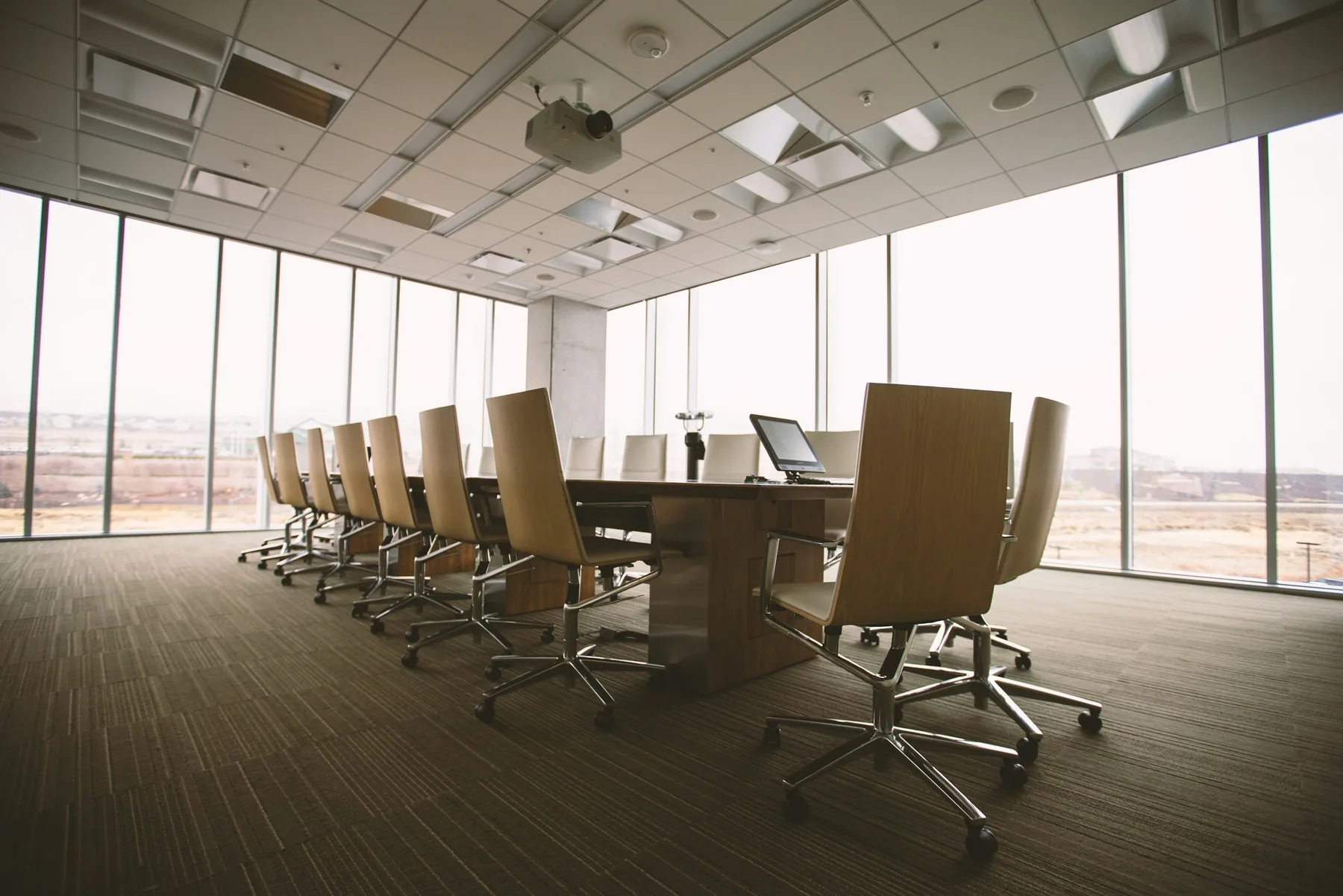


Delegate and chair microphones
Desk microphones for delegates and chairs let council chambers and congress halls run orderly sessions, with each speaker heard clearly in the room and on the recording.

Interpretation and voting
Interpretation and delegate voting systems serve sessions held in several languages or decided by vote, sized to the number of seats and the way each session is chaired.

Video conferencing and recording
Cameras and conferencing links bring remote participants into the meeting and record or stream each session, with camera views planned from the chamber's seating layout.

Room control and automation
One touch panel brings sound, video, lighting and blinds under control, so a meeting room or chamber starts each session without technical delay.
Complete the stage
See the rest of our stage and Pro AVL range.



Brands we specify and integrate
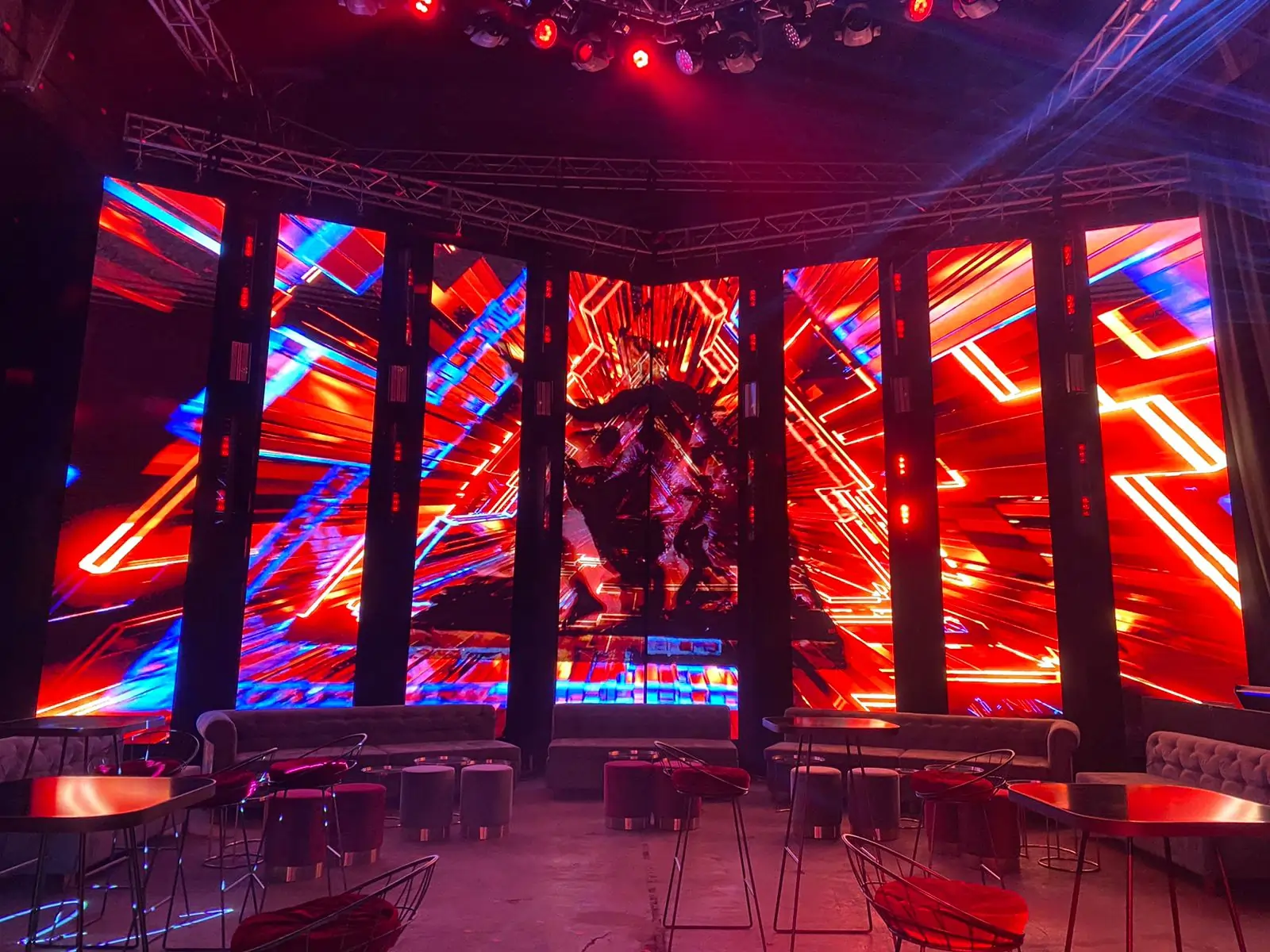
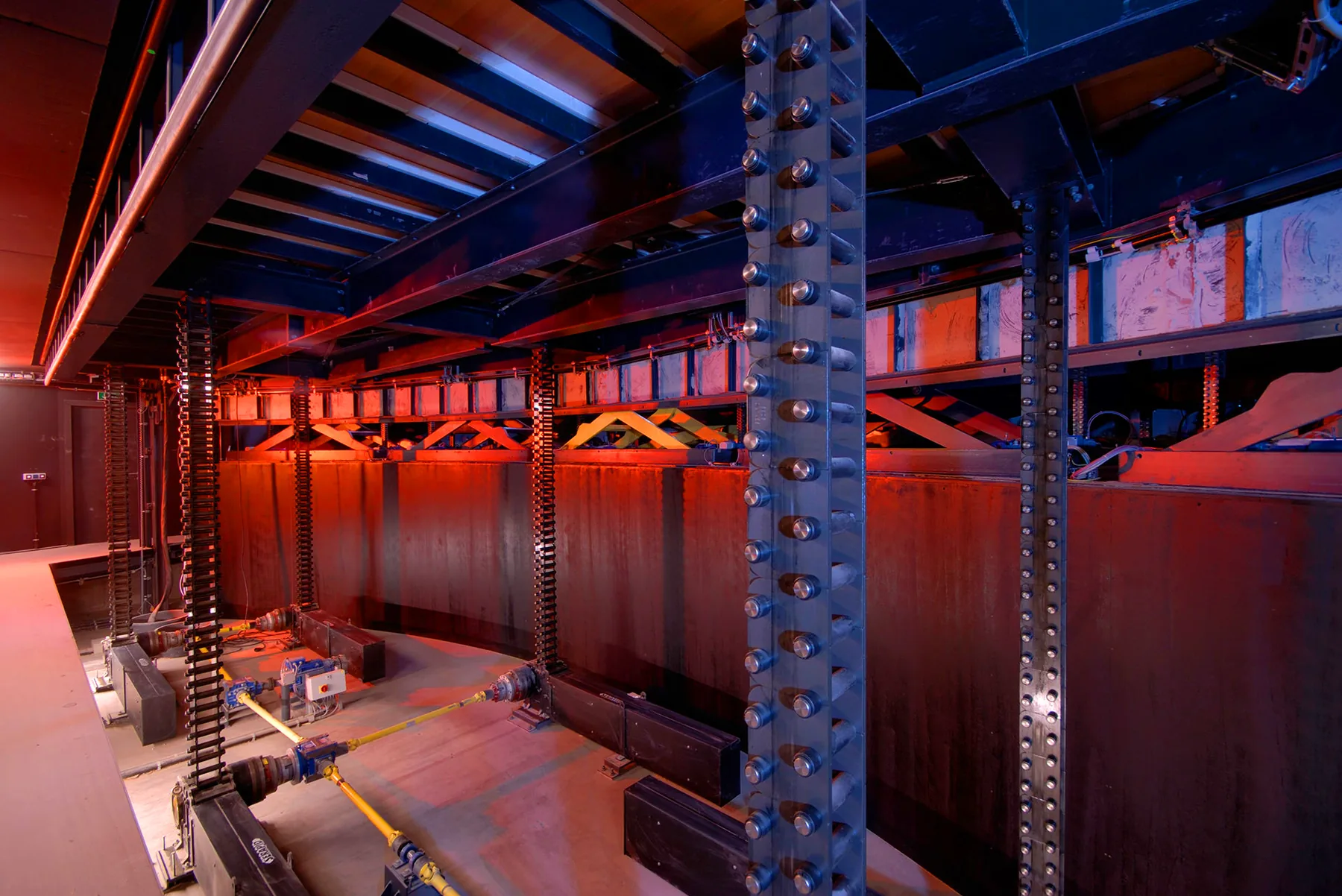
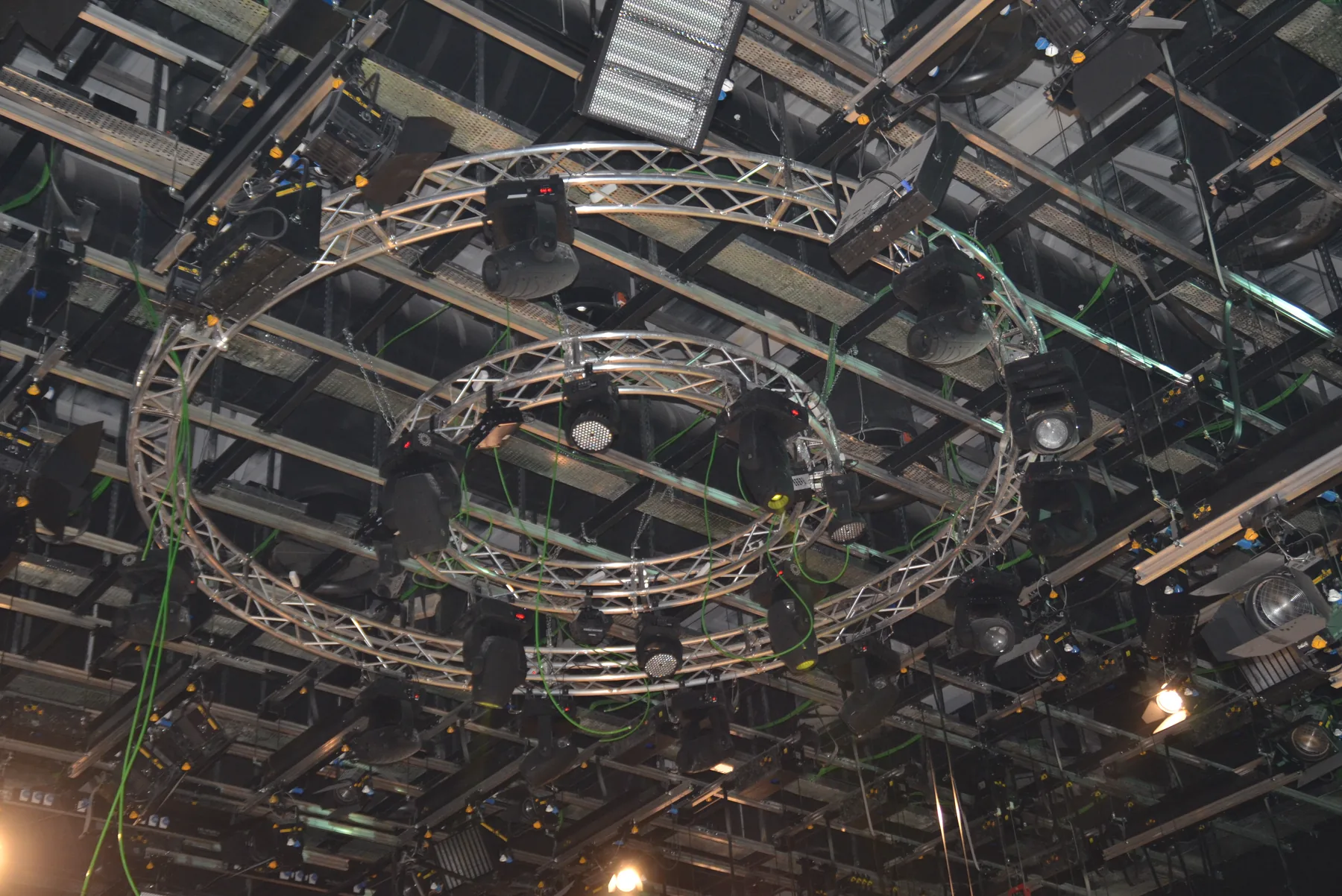
These are brands we specify and integrate, not a closed list. We choose by performance, reliability and fit with the room's acoustic design, then integrate everything into one system.






From first survey to final finish
Seven steps, one team, one point of contact. Book a consultation and we'll come back to you with the next step.
Five steps, one team, one point of contact. Book a consultation and we'll come back to you with the next step.

Every space starts with the brief: who sits where, how people move, and what they need to see and hear. We plan the layout around it and design the room with its acoustics and technology together, with panel positions, fixings and finishes drawn up. Nothing moves forward until you have approved the design package.
Learn moreEvery space starts with the brief: who sits where, how people move, and what they need to see and hear. We plan the layout around it, so the acoustics fit the plan from the first sketch.
Learn more
The room is designed with its acoustics and technology together, not one after the other. Treatment is drawn up with panel positions, fixings and finishes, and nothing moves forward until you have approved the design package.
Learn more
An acoustician reads the room on site, or from your drawings and photos when a visit isn't practical. We set the acoustic targets, read reverberation, ambient noise and noise transfer against how the space is used, and review the design against them.
Learn more
Every quotation comes with the specification behind it: products by type, quantity and finish, with costs set out line by line. What is quoted is what the design calls for.

Panels, baffles, ceilings, screens and seating come from the manufacturers we work with, supplied to the approved specification. What arrives on site matches what was designed.
Learn more
Panels, baffles, ceilings, screens and seating come from the manufacturers we work with, supplied to the approved specification. Our own team installs them to the approved drawings, checking positions and fixings as they go. What arrives on site matches what was designed, and the handover is agreed with you.
Learn moreOur own team builds to the approved drawings, checking positions and fixings as they go. The team that supplies the treatment also installs it, and the handover is agreed with you.
Learn more
After fit-out, the room can be measured again and compared with its targets, so the result is measured rather than assumed. Compliance testing is carried out with accredited testing partners, and the written record goes into your building file.
Learn moreRecent case studies
Measured before. Measured after. That is how we report every project.

Questions about Conference & Automation Systems
Our answers on planning conference and automation systems: what they include, adding them to an existing hall, why room acoustics matter, commissioning and user training.
Microphones, sound, video, lighting and room controls that work from one simple interface. It is planned for conference halls and meeting suites, so a meeting starts without technical delay.
Yes. We check the room, cabling and current equipment first, then plan a system that fits the space and the way it is used.
Microphones pick up echo and background noise, which makes remote audio hard to follow. A treated room lets the conference system sound clear, so we plan both together.
We plan the system and coordinate its supply, installation and commissioning, so it is tested in the finished room before handover. Scope and responsibilities are set out in the proposal.
It should be. We agree training and documentation in the proposal, so your team can run meetings from the first day.
Ready to hear the difference? Let's talk.
Start with a free consultation meeting. Bring your drawings or just an idea, and leave with a clear next step for your space.