
Auditorium Seats–Choosing for Comfort, Acoustics & Functionality
The Role of Auditorium Seating in Performance Spaces
Auditorium seating is more than just a design element — it shapes audience experience, enhances sightlines, influences acoustics and supports the functionality of the space. High-quality auditorium seats are designed to support long-duration seating, optimise sound absorption and integrate seamlessly with the architectural vision. Whether in theatres, concert halls, conference venues or academic auditoria, selecting the right seating solution involves balancing ergonomics, materials, durability and adaptability.
Optimising auditorium seating goes beyond selecting chairs — it is about creating an experience where comfort, acoustics and design work in harmony. At Acoustic Design, we understand that every space has unique needs, and the right seating plays a crucial role in shaping performance environments.
Explore the full guide below, and for more expert insights, subscribe to our LinkedIn newsletter or contact us to discuss tailored solutions for your project.

1. Balancing Comfort, Function and Design in Auditorium Seating
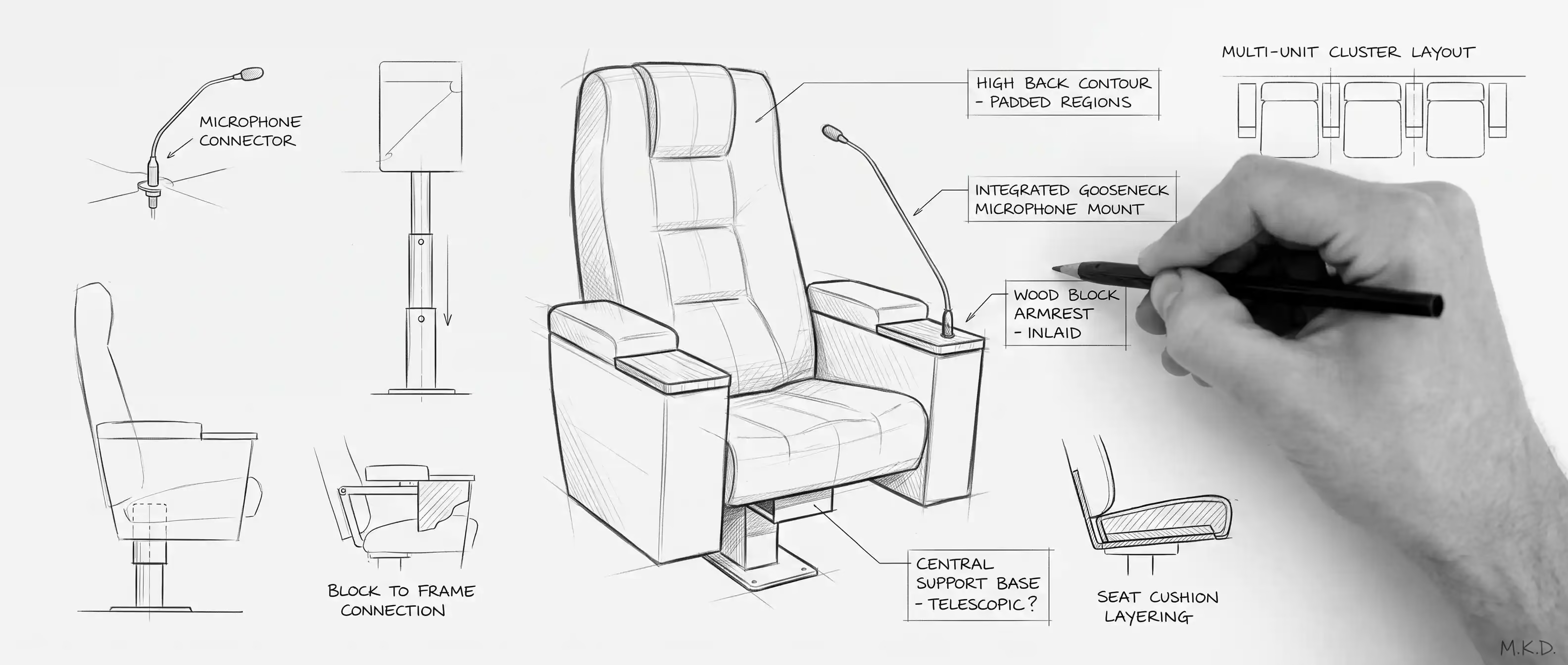
Ergonomics is paramount in ensuring audience comfort over extended periods. The ISO 9241-5 standard for ergonomic requirements defines guidelines for seat dimensions, angles and lumbar support. Well-specified auditorium seats adhere to these parameters, offering:
- Seat height: typically 450–500 mm, ensuring ease of access and comfort.
- Seat depth: 450–550 mm, allowing sufficient legroom while maintaining proper back support.
- Backrest inclination: ranging from 12° to 18°, ensuring a relaxed yet engaged posture.
- Foam density: between 50–70 kg/m³, providing both softness and durability over time.
Modern auditorium seating incorporates high-resilience foam cushions, breathable upholstery and contoured backrests to prevent discomfort, particularly in venues hosting performances of three hours or more.
2. Shaping Architecture and Interior Design with Auditorium Seats
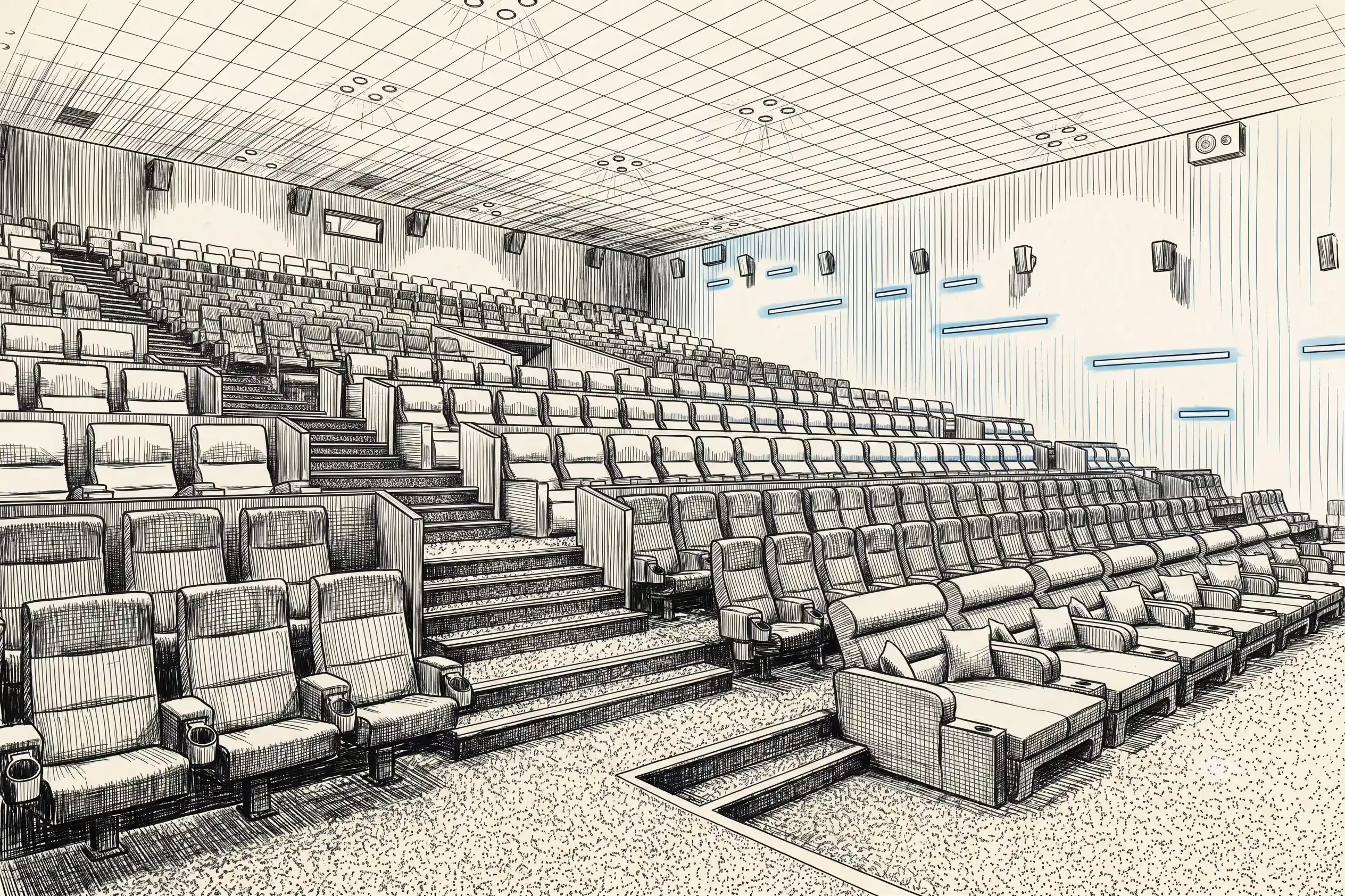
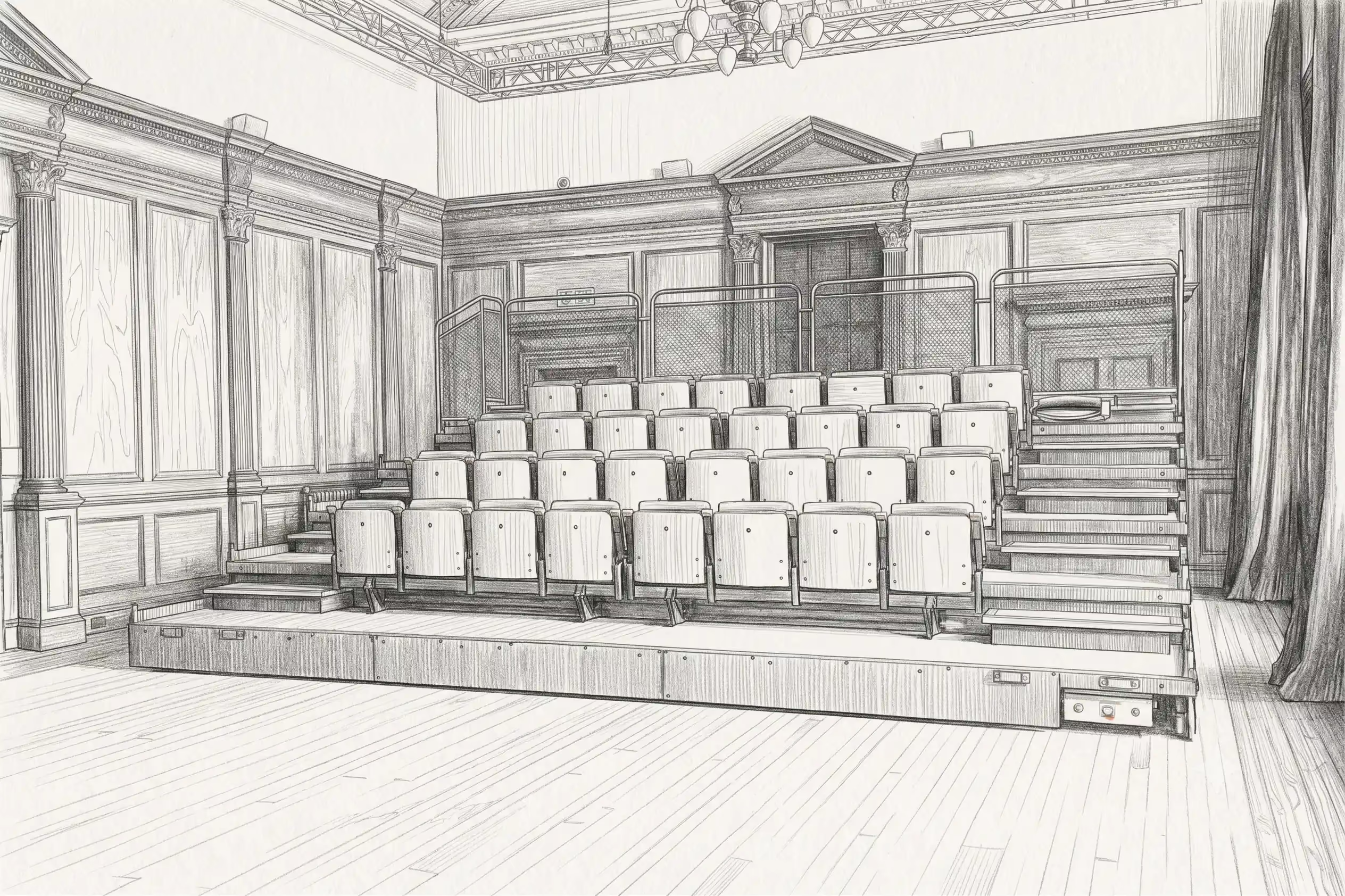
Seating defines the visual rhythm of an auditorium. Row geometry, seat width and the repetition of form across the raked floor are among the strongest architectural gestures in the room. Upholstery colour and texture, timber armrests and shell finishes allow the seating to follow the interior design concept — from restrained academic halls to richly finished performance venues. Because the seating plane is usually the largest continuous surface the audience sees, its palette and proportions should be resolved together with the hall's architecture, not selected afterwards.
Row spacing and sightline design (C-value) also belong to this stage: seat dimensions, back-to-back spacing and rake together determine both capacity and the quality of every seat in the house.
3. The Seat as an Acoustic Instrument
In room acoustics, the seating plane is one of the largest absorbing surfaces in the auditorium — and the only major one whose absorption changes with occupancy. This is where seat specification and acoustic design must be coordinated.
Well-specified upholstered seating provides absorption in both occupied and unoccupied states, stabilising the reverberation time of the hall whether it is full, half-full or empty during rehearsal. As a working benchmark, upholstery build-ups achieving a Noise Reduction Coefficient (NRC) of 0.5 or higher are preferred, with cushioning tuned so that an empty chair approximates the absorption of a seated person.
Mechanical noise matters as much as absorption: tip-up mechanisms should operate silently, with damped or counterweighted return actions preventing the percussive clatter of seats folding as audiences stand. Solid seat and back outer shells can also provide beneficial early reflections in halls designed for unamplified speech and music. Seating choices should always be reviewed alongside the room's acoustic model — the auditorium seating range we work with offers upholstery and shell options that can be matched to the absorption targets of a specific hall.
4. Materials and Durability: Specified for Decades
An auditorium seat is a long-life building component, and its materials must be selected accordingly:
- Upholstery: contract-grade fabrics with high abrasion resistance and fire performance to BS 5852 (Crib 5) for the UK market; fabric, leather and faux leather options allow the palette to follow the design concept.
- Structure: powder-coated steel underframes and floor fixings engineered to EN 12727 strength and durability requirements for fixed venue seating.
- Shells and finishes: polypropylene shells offer impact resistance and easy cleaning; timber veneer backs and armrests bring warmth to performance venues.
- Maintainability: replaceable upholstery covers and serviceable mechanisms extend refurbishment cycles — re-covering a hall is a fraction of the cost of re-seating it.
5. Functionality: Matching the Seat to the Venue's Work
The right functional package depends on what the hall does day to day. For conference and teaching spaces, integrated writing tablets are essential equipment; anti-panic tablets — which fold away automatically when the occupant stands — keep escape routes clear and are increasingly expected in assembly buildings. Fixed and armrest-integrated tablet formats suit different row spacings and should be reviewed against the venue's egress strategy.
Power and USB provision, cup holders for commercial venues, and VIP or protocol rows with generous dimensions complete the specification picture. Accessibility must be integral rather than an afterthought: wheelchair positions with adjacent companion seating, transfer armrests and clear circulation routes belong in the seating layout from the first drawing.
6. Bringing It Together
Auditorium seating sits at the intersection of ergonomics, acoustics, materials engineering and venue operations — specifying it well means testing every candidate seat against all four, not just the showroom sit test. Our auditorium seating collection is curated with exactly these criteria in mind, supported with acoustic data, finish options and layout guidance for each project.
If you are planning an auditorium, lecture theatre or conference hall, we would be glad to review your seating strategy alongside the acoustic design — contact us to discuss your project.
.webp)